
Last updated November 15, 2026
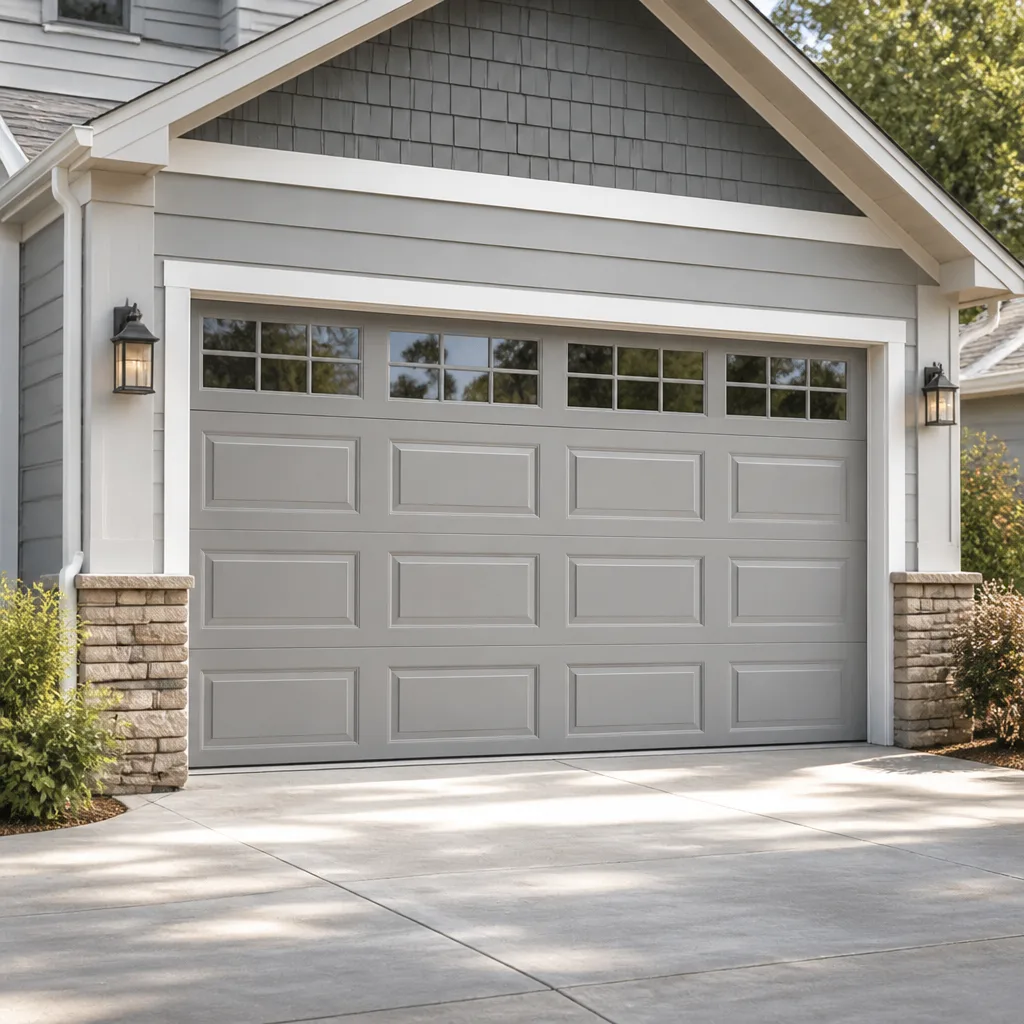 Raised-panel steel
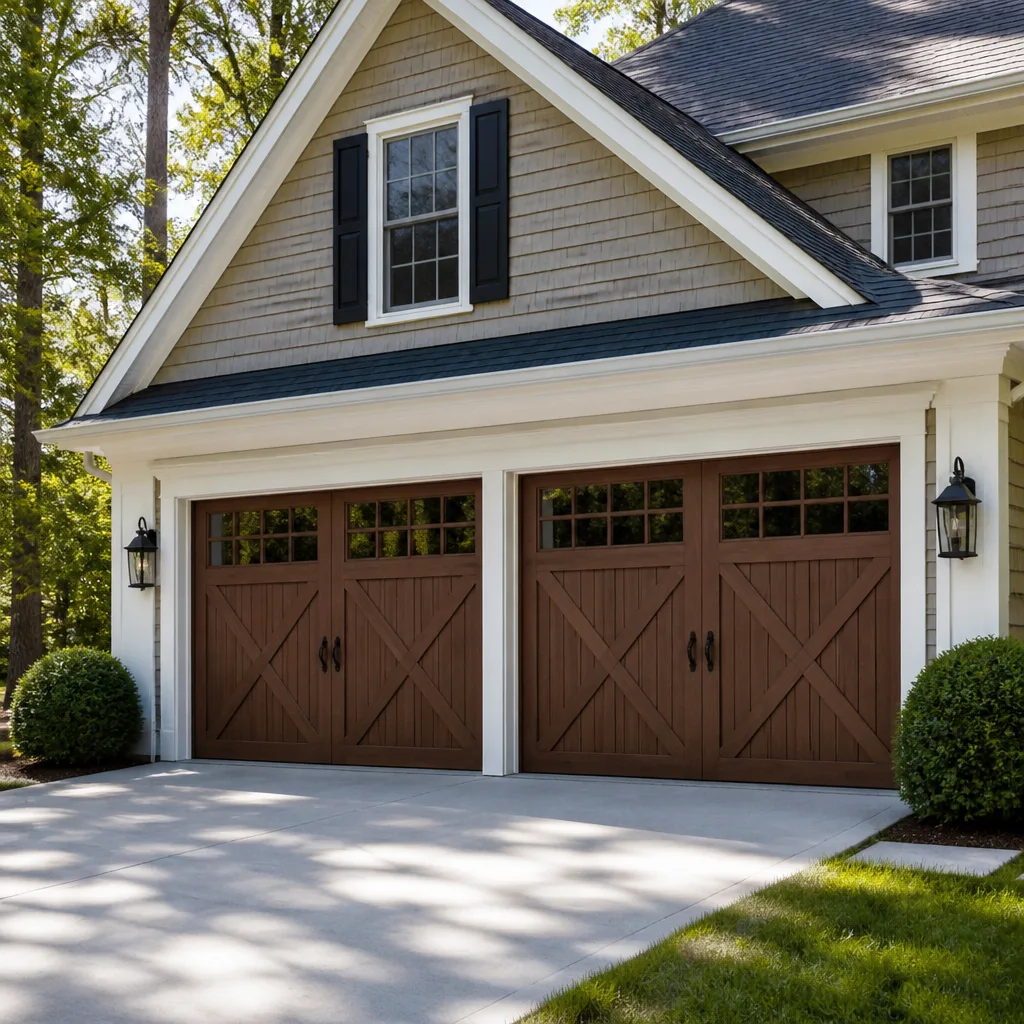 Carriage house
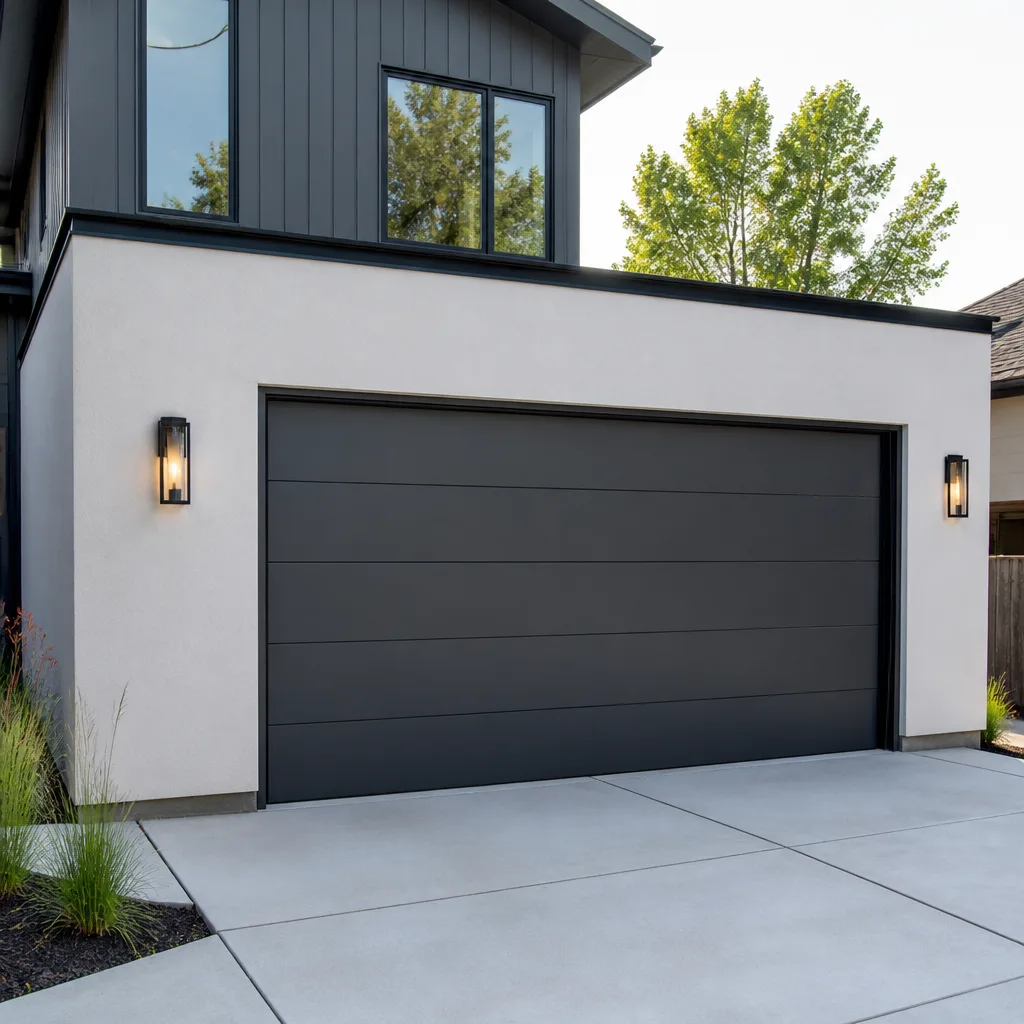 Modern flush
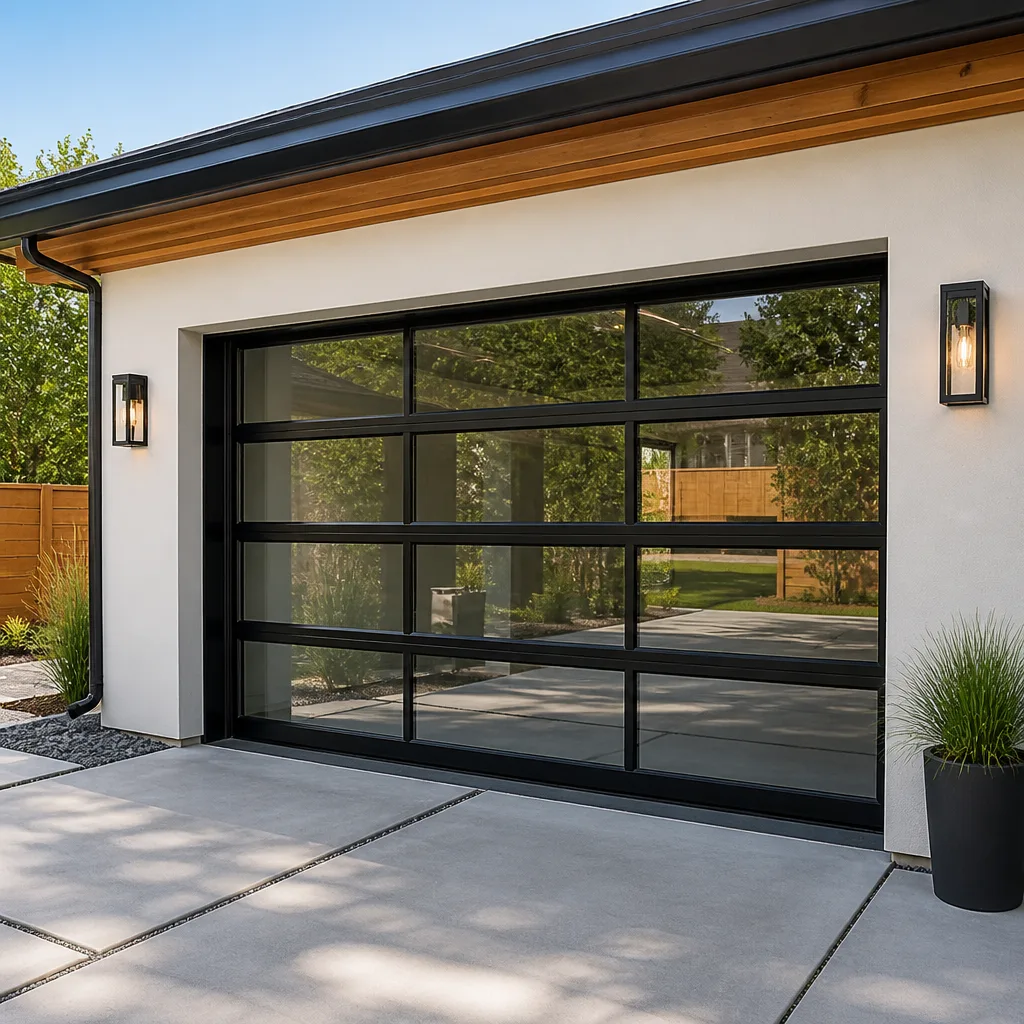 Full-view glass
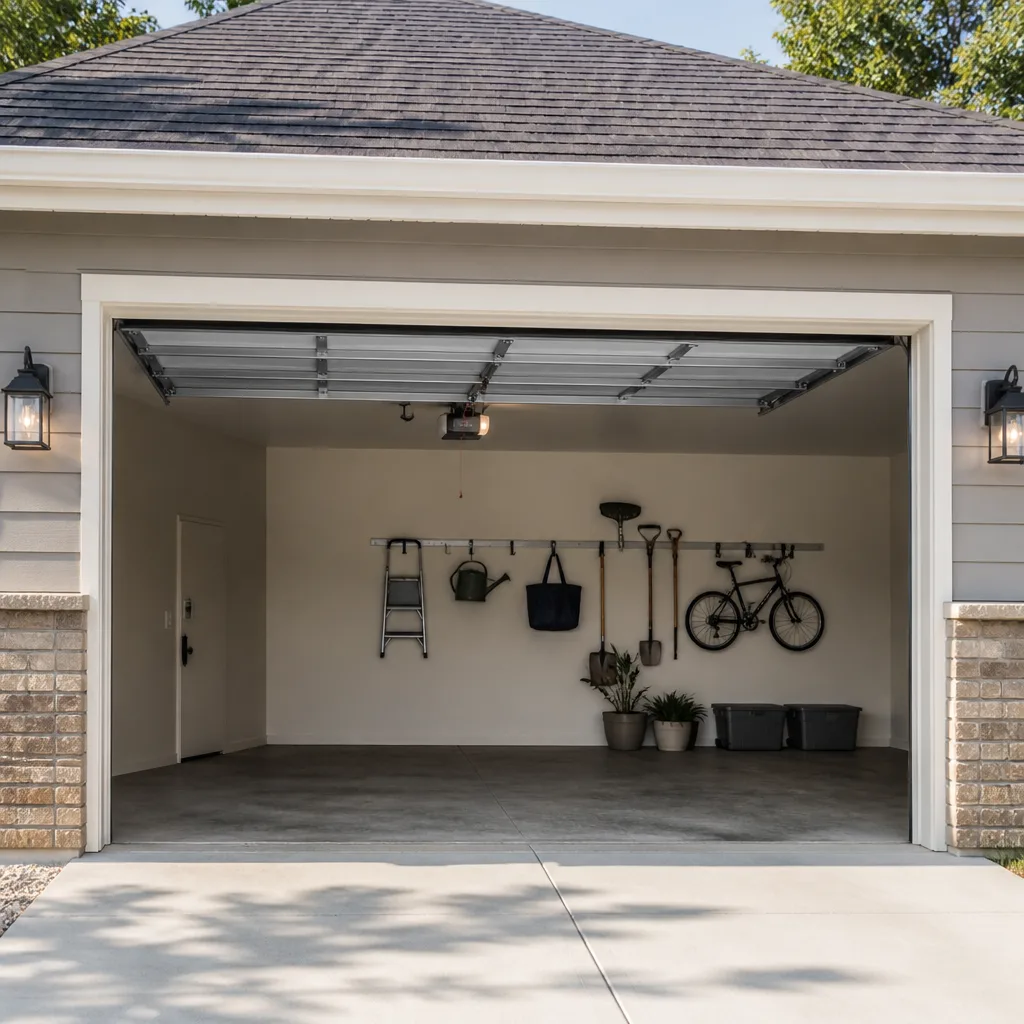 LiftMaster openers
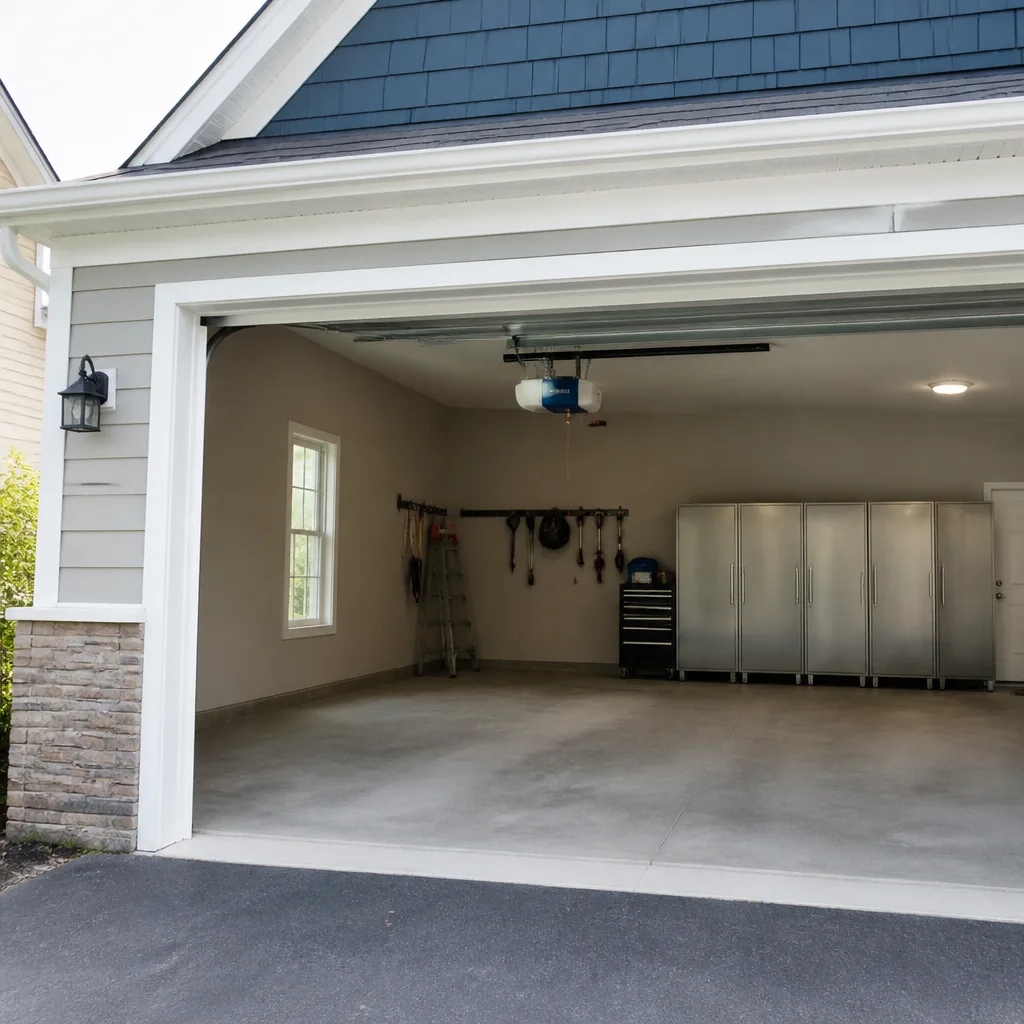 Chamberlain openers
Full 25-point door and opener safety check with every visit - springs, cables, rollers, tracks, and your LiftMaster or Chamberlain opener included
You get a price before we start. It does not change when the pro arrives.
Get your free estimateSeasonal Garage Door Care for High Point: Year-Round Homeowner’s Guide
Most garage door maintenance calendars are written for a place with four tidy seasons, and High Point doesn’t work that way. The failure windows here aren’t spring and fall. They’re the January and February freeze-thaw cycles that catch owners who lubricated in October and figured they were finished, and the late-summer humidity stretch that quietly swells wood doors and stiffens seals. In our experience, homeowners who tune their maintenance to those two windows prevent the majority of the repair calls we see. This guide maps High Point’s real climate risk calendar month by month, explains what each season does to your door and opener, and shows you what to check, what to leave to a technician, and when a part is genuinely at the end of its life.
Quick Answer
Garage door care in High Point should follow the local climate, not a generic four-season template: lubricate and inspect in early winter before the first hard freeze, watch wood doors, weatherstripping, and bottom seals through the humid late-summer stretch, and test the opener and safety reverse twice a year. Spring and cable work is never a homeowner job. Lubrication, balance checks, and visual inspections are the tasks you can safely own; anything involving tension, wiring, or the opener’s circuit board belongs to a trained technician.
Styles & brands we work with
- Raised-panel steel
- Carriage house
- Modern flush
- Full-view glass
- LiftMaster openers
- Chamberlain openers
Table of Contents
- High Point’s Real Climate Risk Calendar
- Winter: Freeze-Thaw and the Tension Question
- Spring: Pollen, Grit, and Track Wear
- Late Summer: The Humidity Checklist
- Pre-Storm Prep for Piedmont Triad Weather
- Opener Care Through the Year
- Your Month-by-Month Task Map
- Common Mistakes to Avoid
High Point’s Real Climate Risk Calendar
High Point sits in the Piedmont Triad, and its weather pattern is specific: mild, humid summers, cool winters with repeated freeze-thaw swings rather than one long deep freeze, and a spring pollen season that coats every exposed surface. That pattern creates two distinct hardware failure windows and one slow-burn wear season. Understanding the calendar is the difference between replacing a part on your schedule and replacing it on the door’s schedule.
Here’s how the year actually breaks down for garage door hardware in High Point:
- January and February: The highest-risk window. Repeated overnight freezes and daytime thaws cycle the steel in torsion springs and the cables that carry tension. Metal contracts in the cold and the whole assembly works harder on every open and close.
- March through May: Pollen and grit season. Track channels collect debris, rollers grind, and hinges grow stiff if they weren’t lubricated in winter.
- June through September: The humidity stretch. Wood doors swell, steel skins can show surface rust at the bottom edge, weatherstripping softens, and bottom seals flatten.
- October through December: The reset window. This is when lubricating, tightening, and balancing pays off most, because it sets the door up for the freeze-thaw months ahead.
Notice what’s missing from that list: a “spring maintenance” and “fall maintenance” pair. Plenty of national guides tell you to service the door twice a year and call it done. In High Point, that schedule misses the real risk entirely. If you lubricate in October and skip everything until March, your door has just gone through the two hardest months of its year with no attention at all. The October work matters because of what comes after it, not because October is a natural stopping point.
When you understand that the failures cluster, you can also stop treating every odd noise as an emergency. A door that grumbles in July usually needs cleaning and lubrication. A door that grumbles in January needs a technician’s eyes on the springs and cables. Same sound, very different diagnosis.
Winter: Freeze-Thaw and the Tension Question
January and February are when we see the most torsion spring failures in High Point, and the reason isn’t age alone. It’s temperature cycling. A torsion spring is a tightly wound coil of steel under constant load. Cold contracts that steel, and the repeated freeze-thaw pattern means the spring is asked to hold its tension through dozens of small expansions and contractions in a single month. Metal fatigue accelerates under that treatment.
What you can safely check before the first hard freeze
- Lubricate the moving metal parts. Hinges, rollers, the torsion bar bearings, and the tracks get a light coat of a purpose-made garage door lubricant, not household oil and not grease that will gum up in cold.
- Check the balance. Disconnect the opener with the release handle and lift the door halfway by hand. A balanced door should hold roughly where you let go. If it slams down or floats up, the spring tension needs professional adjustment.
- Test the safety reverse. Place a small board under the door’s path and close it. The door should reverse on contact. Do this on a dry day so you’re checking the mechanism, not the weather.
- Look at the cables. Inspect the steel cables along the sides for frayed strands or loose slack. Don’t touch them. Just observe and note anything that looks wrong.
- Clear the tracks. Wipe out grit and check that the vertical and horizontal tracks are straight and firmly bolted.
The tension question, answered honestly
Homeowners often ask whether they should tighten the spring tension for winter to compensate for cold contraction. The answer is no, and here’s why: torsion spring tension is set to balance the door’s specific weight. Changing it “a little for winter” doesn’t balance anything. It shifts the load onto the cables, the drums, and the opener, and it creates the exact condition that snaps springs and whips cables. Worse, an over-tensioned spring can rebound violently when it fails.
Springs and cables are under extreme tension, and adjusting them is genuinely dangerous. The wind-up bars, the torsion bar, and the drums can release stored energy in an instant with enough force to break bones. No homeowner should adjust spring tension. A trained technician has the winding bars and the know-how to set tension correctly for the door’s actual weight, and can tell you whether a winter-hardening spring needs replacement rather than adjustment.
The right winter prep is simpler than most people expect: lubricate, inspect, test the safety reverse, and let a technician handle the spring if anything feels off. That’s the whole checklist, and it prevents the bulk of January and February calls we see across High Point.
Spring: Pollen, Grit, and Track Wear
High Point’s spring brings a heavy pollen load, and pollen is abrasive. It settles into track channels, roller bearings, and hinge pivots, and every one of those surfaces is metal that’s supposed to move freely. A door that runs smoothly in February can start grinding by April without anything actually breaking.
Spring is the season to focus on cleanliness and freedom of movement. Here’s the sequence we recommend:
- Wipe down the tracks. A damp cloth removes pollen and grit from the channels. Avoid adding grease to a dirty track; that just turns grit into a grinding paste.
- Wipe the weatherstripping. The rubber seal along the bottom and sides collects pollen and dirt, which breaks down the surface over time.
- Re-lubricate the rollers and hinges. A light application after cleaning keeps the metal moving smoothly.
- Check the door’s paint or finish. A wood door that took winter moisture can show peeling at the bottom section. Steel doors show any winter scuffing at the edges where paint is thinnest. Early touch-ups stop rust from establishing itself.
- Test the opener’s auto-reverse again. Spring is the halfway point in the year, which makes it a natural time for the second of your twice-yearly safety checks.
Spring is also when homeowners start noticing small alignment issues that winter masked. A door that’s slightly out of square will rub a track on one side and clear it on the other, and pollen makes the rubbing audible. If your door is binding consistently on one side, that’s worth a professional look. It’s usually a track or roller issue, and it’s cheap to fix before it wears the roller flat.
Pollen season is also a smart time to test the opener’s limits. Many garage door opener repair visits we make in spring trace back to a limit switch that drifted over the winter and now stops the door a few inches short or drives it too hard into the floor. That’s a simple adjustment, and catching it early keeps the opener from straining against a door it can’t close properly.
Late Summer: The Humidity Checklist
Late summer humidity is the quiet season for garage damage. Nothing snaps, nothing grinds, and nothing looks broken. But prolonged high humidity works on three areas of your door in ways you won’t notice until the damage is done.
Wood doors
Wood takes on moisture and swells, then shrinks when the air dries out. In High Point’s humidity, a wood door’s bottom section absorbs the most moisture because it sits closest to the ground and often nearest a damp slab. Swelling at the bottom section can bind the door against the frame. It can also open small gaps at the seams where paint has cracked. If you have a wood door, this is the season to inspect the bottom edge for soft spots, bubbling paint, or visible swelling, and to make sure the finish is intact. A sealed wood door resists the humidity cycle. A door with a failing finish absorbs it.
Weatherstripping
The rubber or vinyl strips around the door frame are your barrier against wind-driven rain, insects, and drafts. In sustained humidity they soften and take a set. They lose their spring. By the time the first cold snap arrives, they’ve already compressed, and you notice the gaps as drafts under the door. Check the weatherstripping along the sides and top at the end of summer. If it’s cracked, stiff, or crumbling, replacing it now is far easier than dealing with it in a January cold snap.
Bottom seals
The bottom seal, sometimes called the bottom astragal, is the rubber strip under the door’s lowest panel. Humidity makes it tacky, and heat makes it flatten under the door’s weight. Once it’s flat, the door no longer seals against the slab, which lets water in during heavy rain and lets conditioned air out. Run your hand along the bottom of the closed door. If the seal feels flat, hard, or torn, it needs replacing. This is one of the cheapest fixes on the entire door, and it matters more in High Point’s humidity than most owners realize.
Steel doors aren’t immune. The bottom edge is where moisture sits longest, and any scratch in the finish there is where surface rust starts. A quick wipe and a touch-up on the bottom rail at the end of summer will save you a repaint later.
Pre-Storm Prep for Piedmont Triad Weather
Pre-storm preparation in High Point depends on the storm. A routine summer thunderstorm and a named tropical system moving inland across the Piedmont Triad demand different responses. Getting that distinction right means you spend effort where it actually counts.
Before a routine thunderstorm
Routine summer storms bring wind-driven rain and brief gusts. The task list is short:
- Close the door fully and check that the bottom seal contacts the slab evenly.
- Confirm the opener’s safety reverse works, since power flickers can leave an opener’s settings unsettled.
- Clear loose objects from the garage floor near the door so they can’t wedge under it.
- Make sure the door is fully latched or locked; a partially closed door can be pushed and strained by gusts.
Before a named storm
A named storm crossing inland brings sustained wind and heavier rain, which changes the priority order:
- Check the door’s structural anchoring. The vertical tracks are bolted to the frame, and the spring system is anchored to a center plate. Loose bolts or a sagging track mean the door can rack under sustained wind load. Tighten what’s loose and have a professional check anything that looks compromised.
- Reinforce as needed for your door type. Some doors accept a bracing kit designed for wind resistance. This depends on the door’s construction and manufacturer. If you have a Clopay or Raynor door, ask whether a brace kit is compatible with your specific model before the season starts, not the day before the storm.
- Secure the bottom seal and weatherstripping. Gaps let wind-driven rain in and let pressure build unevenly against the door.
- Move anything vulnerable away from the door’s path. Trash cans, planters, and loose tools become projectiles in high wind.
- Make sure the door is fully closed and locked before the wind arrives, and stay off the door during the storm.
After any significant storm, do a slow visual inspection before you touch the opener. Look for bent tracks, displaced rollers, a door that’s visibly out of alignment, or anything hanging loose. If the door is misaligned, don’t run it. Call a technician to evaluate it. Running a racked door on the opener turns a track repair into a much larger repair, and it’s the most common way a small storm issue becomes an expensive one.
One local note: High Point’s storm season and its humidity season overlap, so by the time a named system arrives in late summer, the weatherstripping and bottom seals are already at their weakest. Pre-storm prep in late summer is partly humidity maintenance. Deal with the seals in July and your storm prep in September gets much shorter.
Opener Care Through the Year
The opener is the part of the system homeowners notice last and rely on most. It’s also the part where a small maintenance habit saves the most money, because an opener working against a door that’s out of balance or dragging on a gritty track will eventually fail in a way that costs more than a tune-up.
We work on LiftMaster, Chamberlain, Genie, and Craftsman openers regularly, along with the doors they run. Here’s what carries across brands:
- Test the safety reverse twice a year. Once before winter, once in spring. Place a small board in the door’s path and confirm the door reverses on contact. This is the single most important opener check you can do, and it’s fast.
- Check the force setting annually. The opener should move the door smoothly without straining. If the door is out of balance, the opener compensates by pushing harder, which stresses the gear and rail. Fix the door’s balance and the opener stops overworking.
- Address a light flicker or a partial open promptly. Openers that stop halfway, reverse randomly, or click without moving usually have a limit switch, sensor, or circuit board issue. These are repairable, and the diagnosis is quick with the right equipment.
- Mind the safety sensors at the bottom of the tracks. Clean the lenses, check alignment, and make sure nothing is stored in their line of sight. A single misplaced box can cause a door that won’t close.
- Watch the remote batteries. Weak remote batteries behave like opener failures. Rule out the battery before assuming the opener needs work.
Humidity matters for openers too. A garage that stays damp through the summer encourages corrosion on the opener’s exposed metal and can affect circuit board performance over time. Good ventilation and a monthly check that the opener sounds normal go a long way.
If you have a smart opener and it stops responding to the app while the wall button still works, that’s usually a connectivity or firmware issue, not a hardware failure. It’s still worth a call, because diagnosing whether it’s the network or the opener’s logic board takes the right tools. That’s the kind of job where Arrow Garage Door Service gets involved: garage doors and openers are all we do, so the diagnosis doesn’t wander.
Your Month-by-Month Task Map
Here’s the schedule we’d recommend for a High Point homeowner, built around the local climate rather than a generic template. Print it, stick it on the garage wall, and work through it at the start of each month. Most tasks take 15 minutes or less.
- January: Test the safety reverse. Listen for unusual sounds on the first cold morning. Don’t lubricate in freezing temperatures; wait for a mild day, or the lubricant won’t spread properly. Watch for a door that seems slower or heavier than usual. That’s a sign the spring is struggling.
- February: Highest-risk month for springs. If you notice a door that’s harder to lift by hand than it was in the fall, have a technician check the springs. Clear any ice or debris from the bottom seal and the slab beneath the door.
- March: Clean the tracks of pollen and winter grit. Wipe the weatherstripping. Re-lubricate rollers, hinges, and the torsion bar bearings. Inspect the bottom of the door for winter moisture damage.
- April: Touch up paint on any chipped edges, especially on the bottom section. Full spring balance test with the opener disconnected. Check that all track bolts are snug.
- May: Inspect the bottom seal for wear. Confirm the door closes evenly against the slab. Test the safety sensors and clear their line of sight.
- June: Begin the humidity watch. Check the wood door (if you have one) at the bottom edge for swelling. Look for any surface rust on steel edges.
- July: Full humidity checklist: wood door seams, weatherstripping softness, bottom seal flatness. This is the month to replace any seals that are hardening.
- August: Pre-storm check on anchoring and bracing. Make sure the door closes and locks properly. Clear loose items away from the door’s path.
- September: End-of-humidity inspection. Replace weatherstripping or bottom seals that didn’t hold up. Check the opener’s response after any summer power flickers.
- October: The big reset. Full lubrication of moving metal parts. Balance test. Safety reverse test. Tighten all accessible fasteners. This sets the door up for winter.
- November: Check the door’s operation on the first cold mornings. Listen for new sounds. Confirm the bottom seal still meets the slab as temperatures drop.
- December: Final visual inspection of springs, cables, and tracks before the freeze-thaw months arrive. Note anything that looks off and book a professional check.
If you only do one thing from this list, do the October reset and the January check. Those two windows are where the majority of preventable failures happen in High Point. Everything else is maintenance; those two are prevention.
Common Mistakes to Avoid
- Lubricating in October and assuming the job is done. October sets the stage, but the door needs eyes on it again in January when the freeze-thaw cycle starts working. A single application in autumn is only half the schedule.
- Adjusting spring tension for winter. Torsion springs are set to balance the door’s specific weight. Changing the tension by hand doesn’t compensate for cold, it creates an unsafe rebound condition. Leave spring and cable adjustment to a technician with the right winding bars.
- Using household oil or grease on tracks and rollers. Household oil attracts grit in High Point’s pollen season, and heavy grease stiffens in cold weather. Use a lubricant made for garage door hardware.
- Ignoring weatherstripping and bottom seals until they fail visibly. By the time you see daylight under the door, the seal has already been letting in moisture and air for weeks. Check these in late summer before the damage shows.
- Assuming a door that’s slightly out of alignment is fine. A door that binds on one side rubs a roller flat over months. It’s a cheap fix early and a track replacement later.
- Running the opener after a storm without a visual inspection. A single bent track can turn a minor repair into a major one if the opener forces the door through it.
- Skipping the twice-yearly safety reverse test. It takes two minutes and catches the failure mode that matters most. Clean the sensors, test the reverse, and put it on your calendar.
See the difference
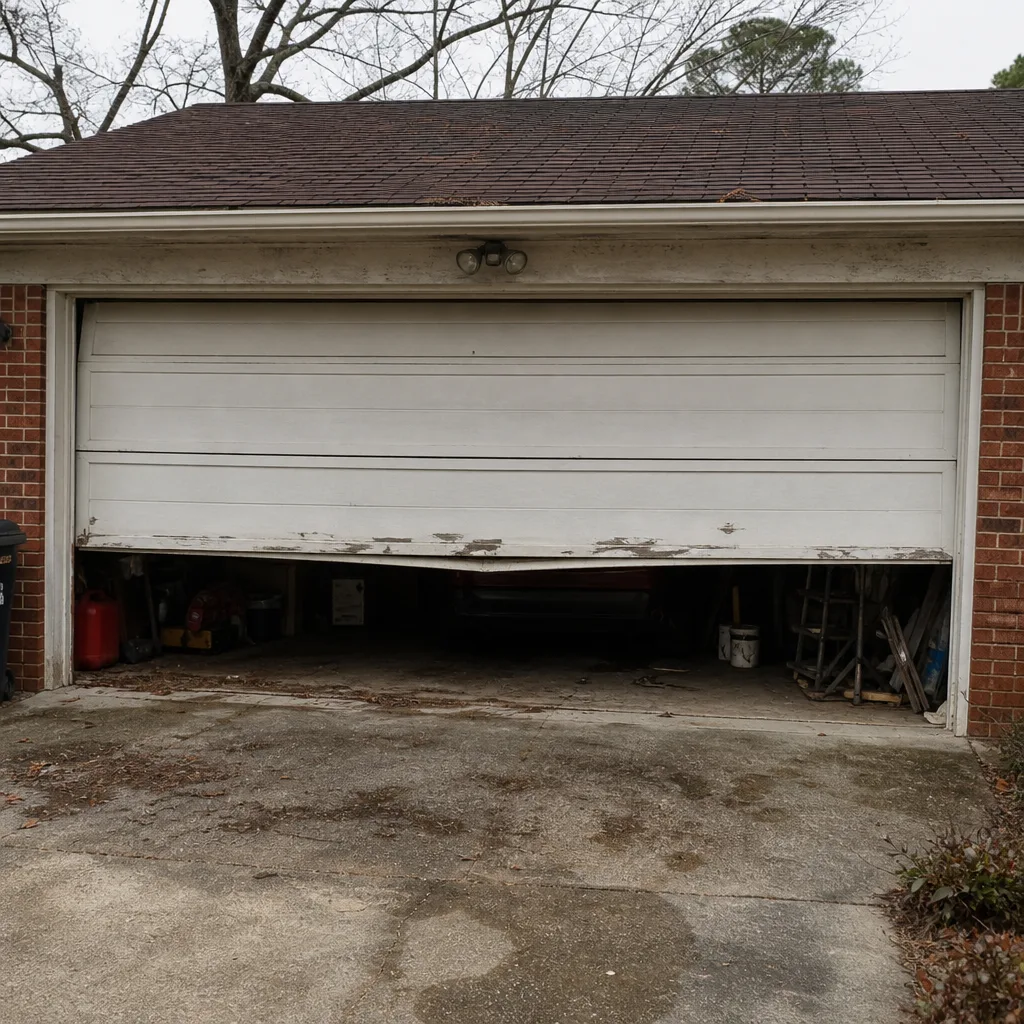 Before
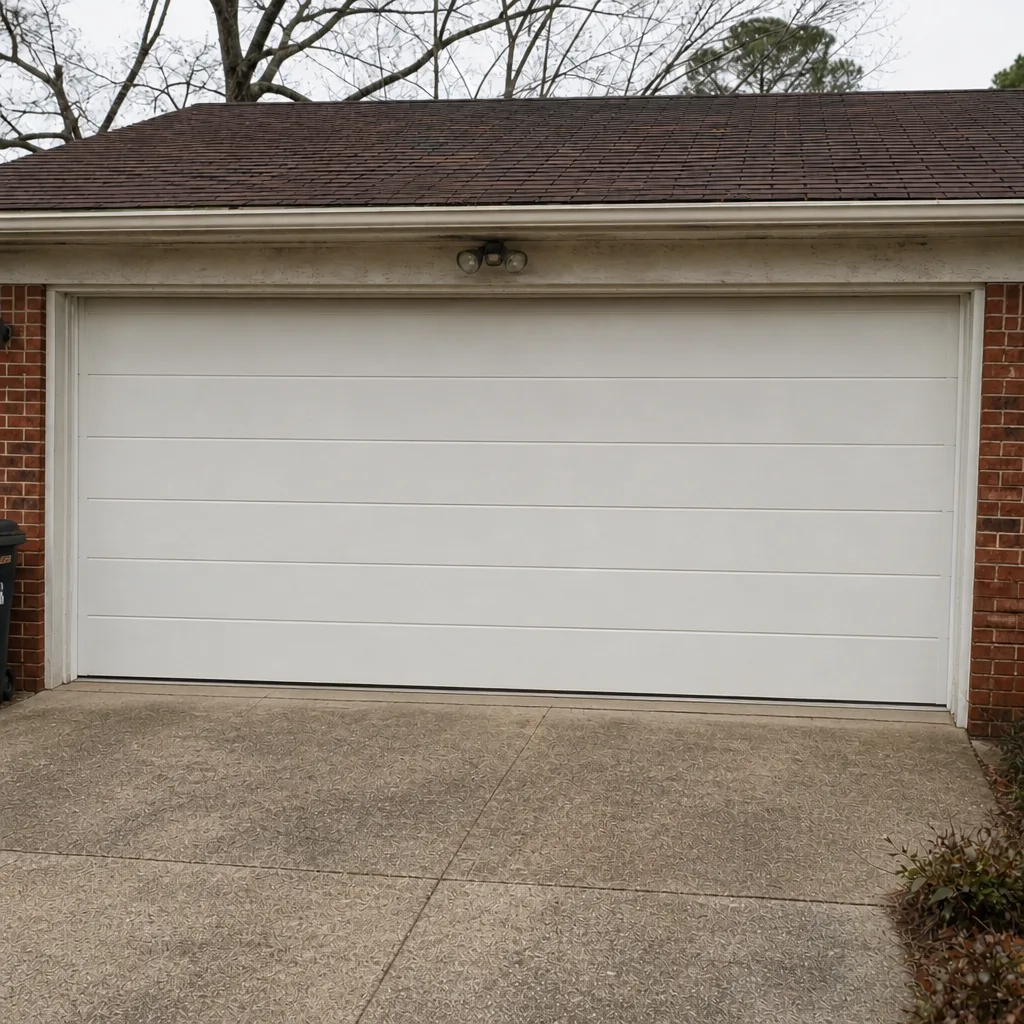 After
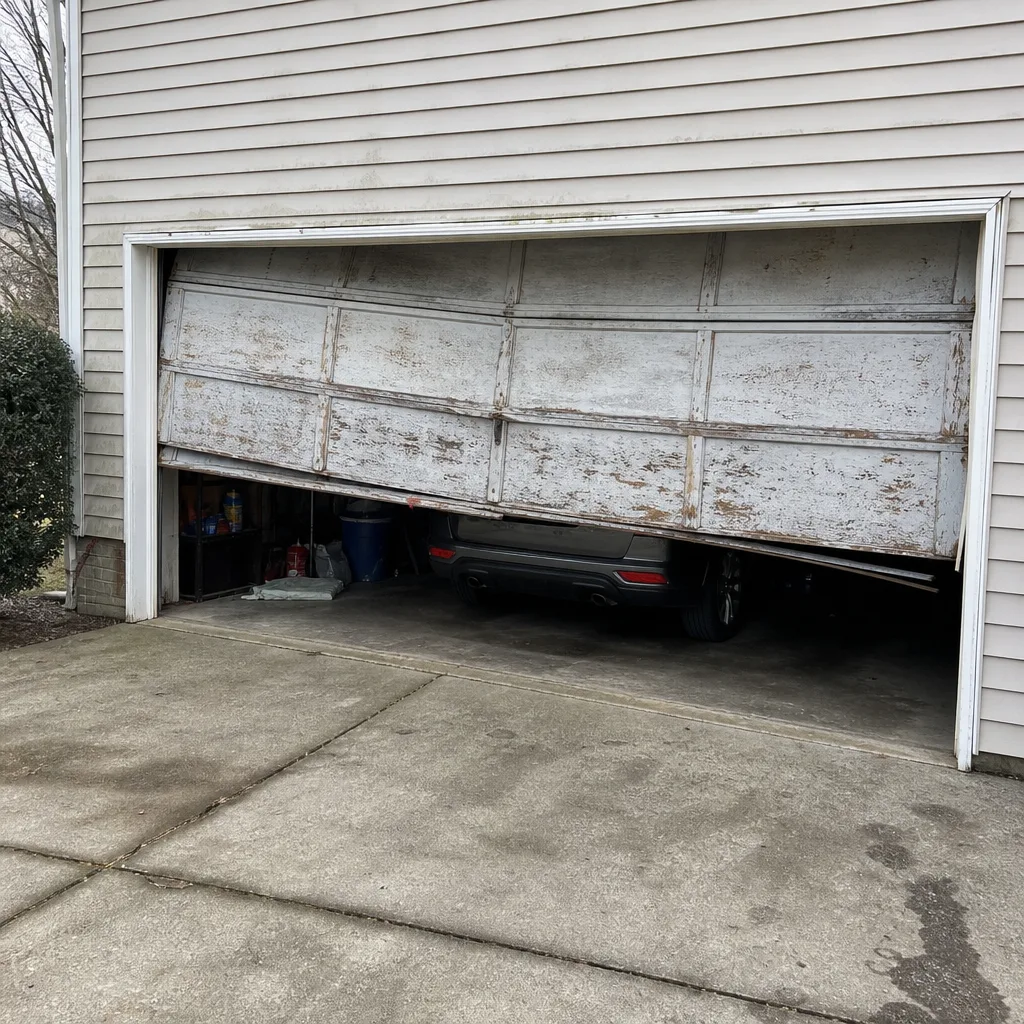 Before
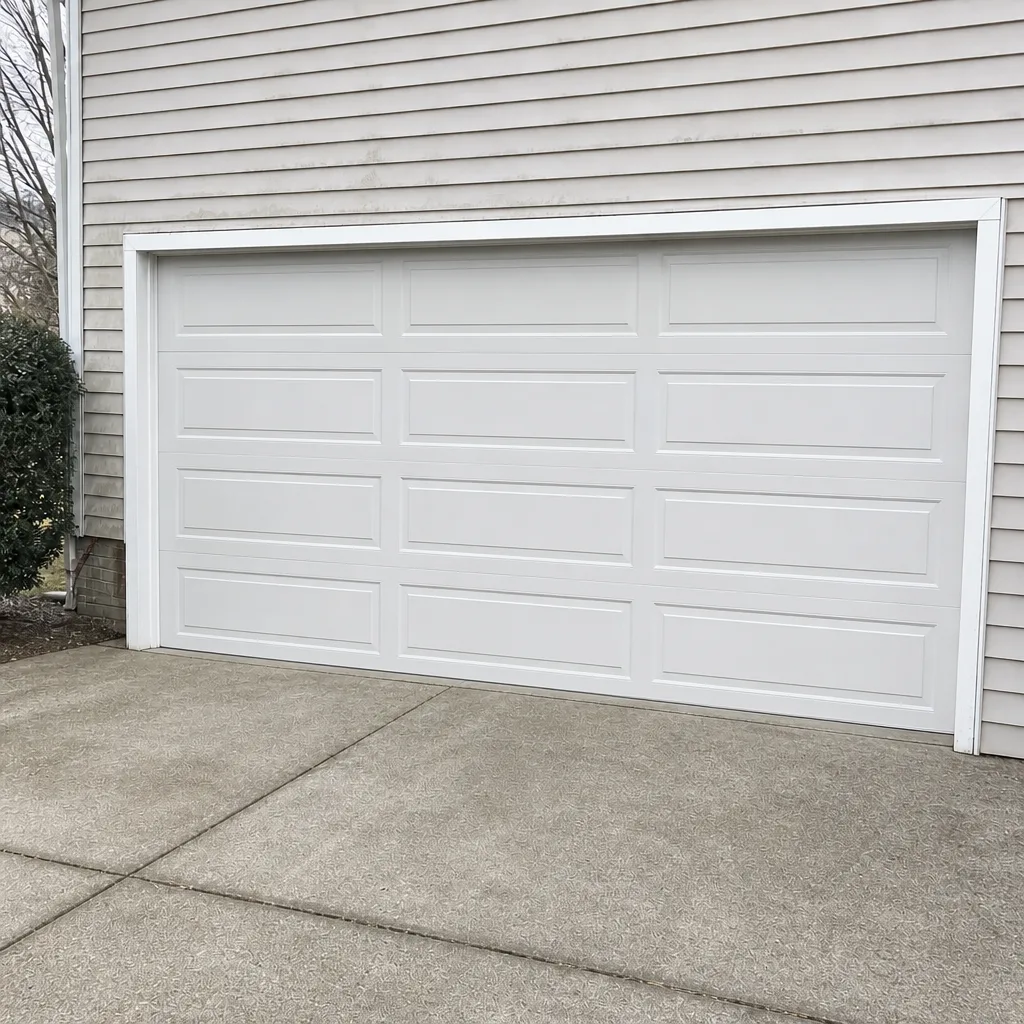 After
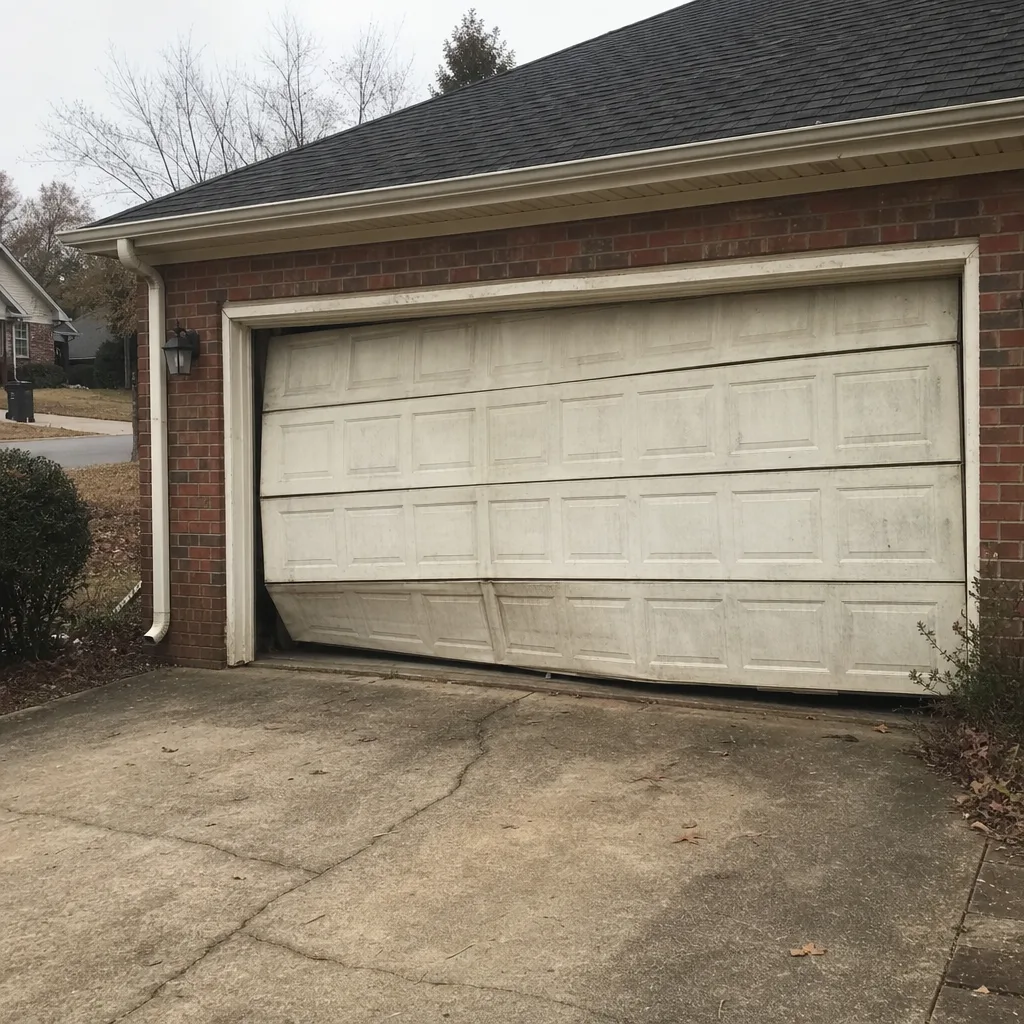 Before
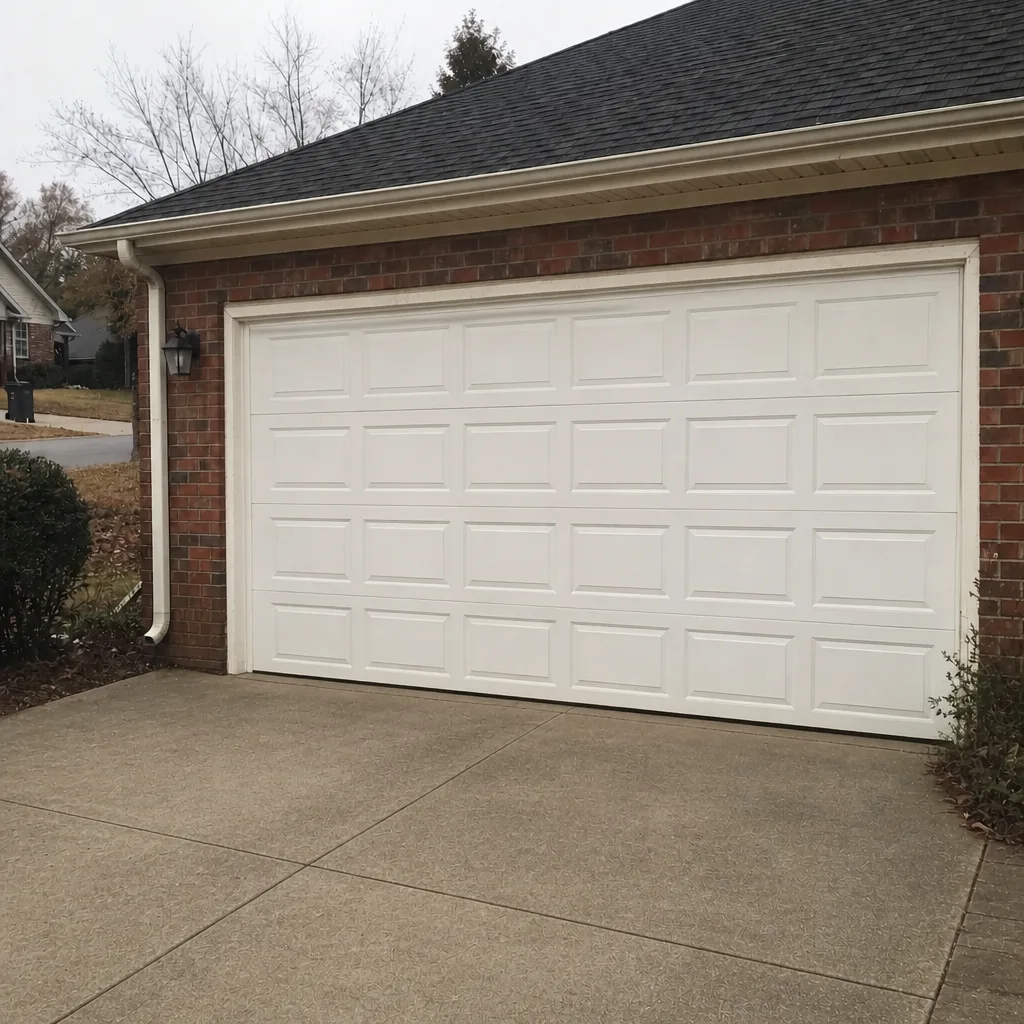 After
When to Call a Professional
Some garage door work is homeowner territory: lubrication, cleaning, visual inspection, balance tests, and safety reverse checks. But other jobs need a trained hand, and it’s worth knowing the line clearly. Call a technician if a spring ever breaks with a loud snap, if the door won’t lift or won’t stay up on its own, if the door is visibly out of alignment or binding on one side, if you see a cable that’s frayed or slack, if the opener stops partway or reverses randomly, if the door won’t close evenly against the slab after a storm, or if you notice rust on structural hardware. Springs and cables are under extreme tension and shouldn’t be handled by anyone untrained. We offer free estimates in High Point and can diagnose what’s actually failing rather than guessing at it. Call (833) 842-1974. We answer 24/7. Fast dispatch from 7am to 7pm, Sunday through Friday.
The team at High Point handles both repair and opener work, so there’s no handoff between a door specialist and an opener specialist. If you’re planning a new installation rather than a repair, the same team measures, orders, and installs, and our technicians have up to 15 years of experience working with the major brands.
Frequently Asked Questions
Twice a year at minimum, timed to the local climate: once in October before the freeze-thaw season and once in January once the cold has set in. Add a humidity check in late summer if you have a wood door or older weatherstripping. Lubrication and visual inspection you can do yourself; the twice-yearly balance and safety reverse tests are quick, and any sign of spring or cable trouble belongs to a technician. Call (833) 842-1974 for an exact quote if something looks off; estimates are free.
Because of freeze-thaw cycling, not just age. Repeated overnight freezes and daytime thaws force the steel spring to expand and contract dozens of times in a month, and that cycles accelerate metal fatigue. A spring that was fine in November can fail in January without any warning sound beyond a single loud snap. If you hear it, don’t run the opener; call a technician. A matched pair of springs is usually replaced together, and the written estimate sets the price before any work starts. Call (833) 842-1974; estimates are free.
No. Spring tension is set to balance the specific weight of your door, and changing it for winter creates an unsafe condition rather than solving one. An over-tensioned spring shifts stress onto the cables and drums and can rebound violently when it fails. Springs and cables are under extreme tension, so adjustment is a professional job. If your door feels heavier or harder to lift in cold weather, have it checked. Call (833) 842-1974; estimates are free.
For a routine thunderstorm: check the bottom seal, test the safety reverse, clear objects from the door’s path, and make sure the door is fully closed and locked. For a named storm: add a check on the door’s anchoring and bracing, tighten any loose bolts, and evaluate whether your door type supports a brace kit. The day of the storm, keep the door closed and locked. If the door is out of alignment after the storm, don’t run the opener; call a technician. Call (833) 842-1974 for a free estimate.
It swells wood, softens and degrades weatherstripping, and flattens bottom seals. A wood door that absorbs moisture can bind against the frame at the bottom section, and a flat bottom seal stops sealing against the slab, letting water in during storms. Steel doors can develop surface rust at the bottom edge if the finish is scratched. Check all three at the end of summer, before the damage shows. Call (833) 842-1974 if you need seals or weatherstripping replaced; estimates are free.
Yes. Arrow Garage Door Service works with state-licensed, insured technicians, and every job is quoted in writing before any work starts, so you know the price before anyone touches the door. We service LiftMaster, Chamberlain, Genie, Clopay, Amarr, Wayne Dalton, Craftsman, and Raynor, and we work on the door and opener you already own without any pressure to switch brands. Call (833) 842-1974 for an exact quote; estimates are free.
The Bottom Line
High Point’s garage door failures cluster into two windows: the freeze-thaw months of January and February and the humidity stretch of late summer. Build your maintenance around those two seasons, and you’ll prevent most of the repairs we see. The October reset and the January check are the two tasks that matter most, and the twice-yearly safety reverse test takes two minutes. Leave spring tension, cables, and opener electronics to a trained technician; those are the jobs where the savings from a DIY attempt are always smaller than the cost of getting it wrong. Call (833) 842-1974. We answer 24/7. Fast dispatch from 7am to 7pm, Sunday through Friday.
Written by the team at Arrow Garage Door Service.