
Last updated November 15, 2026
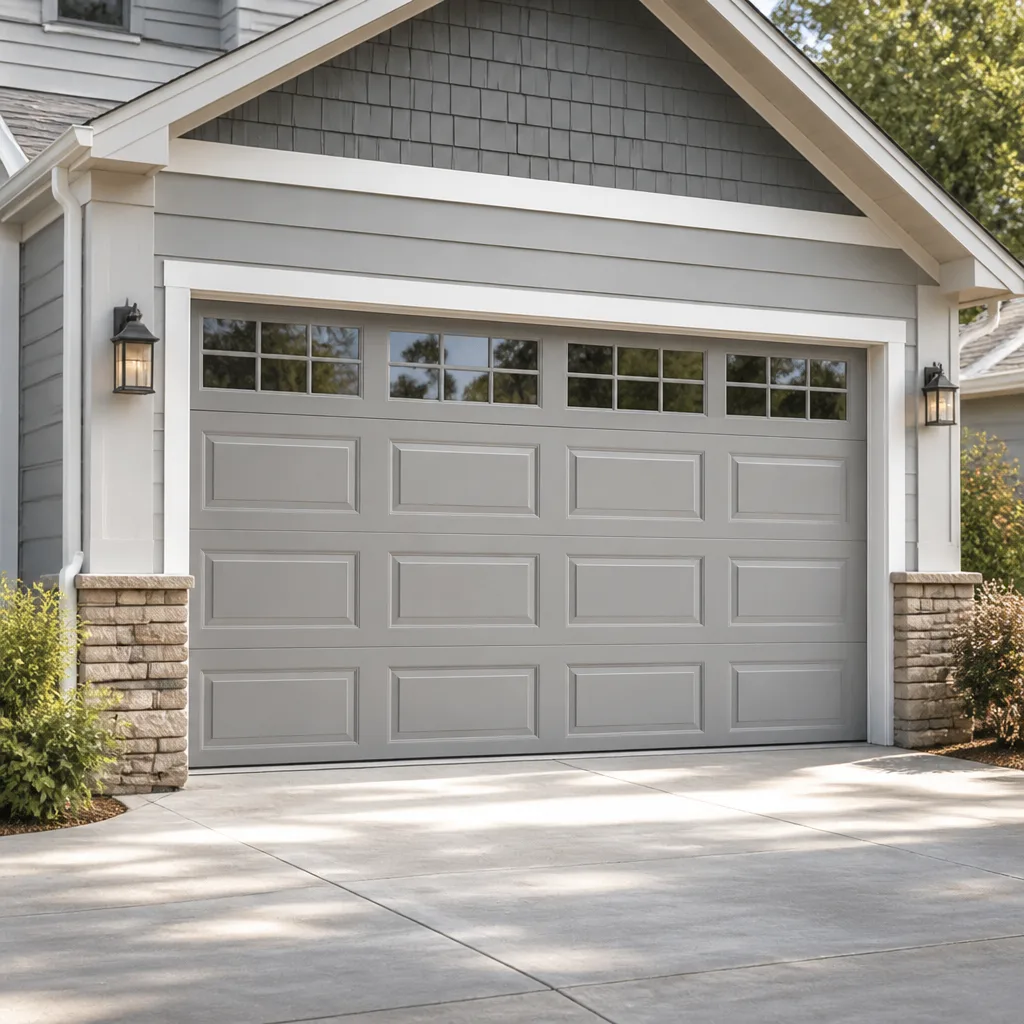 Raised-panel steel
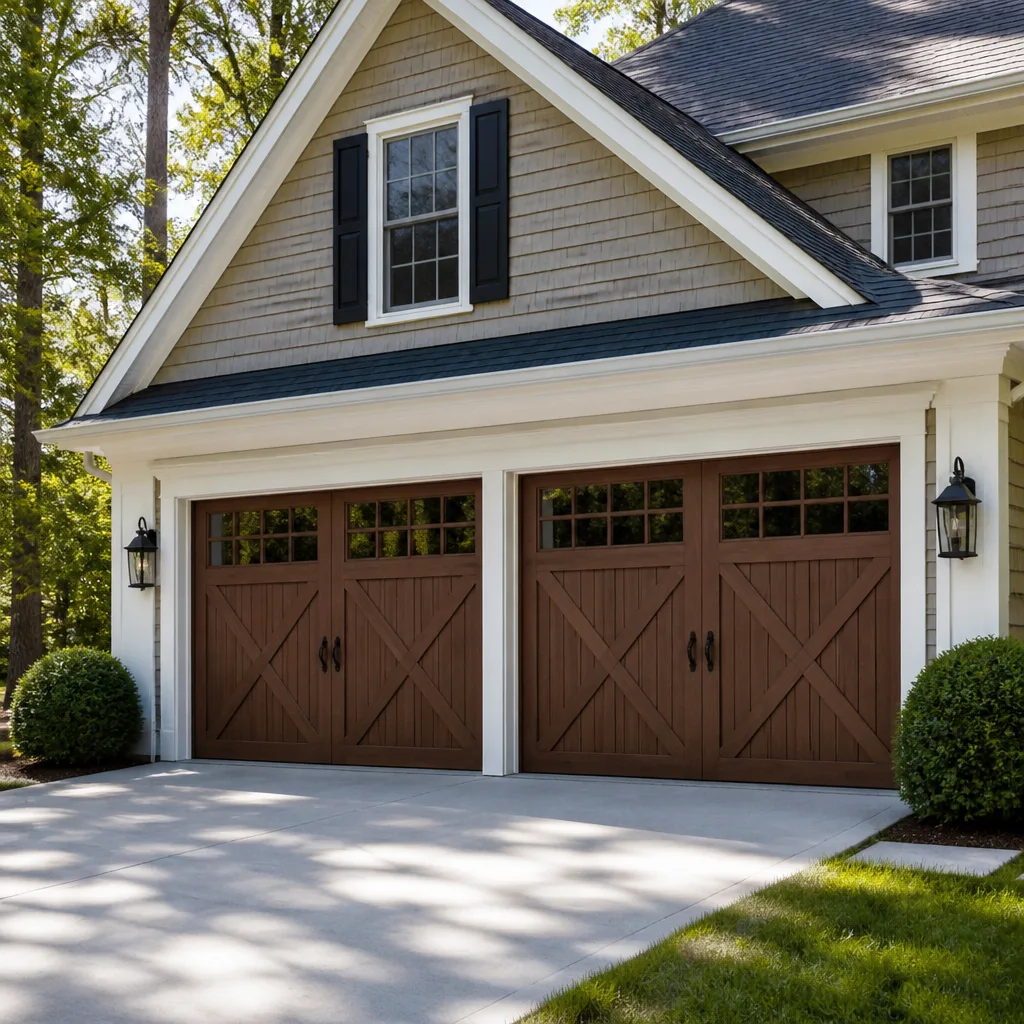 Carriage house
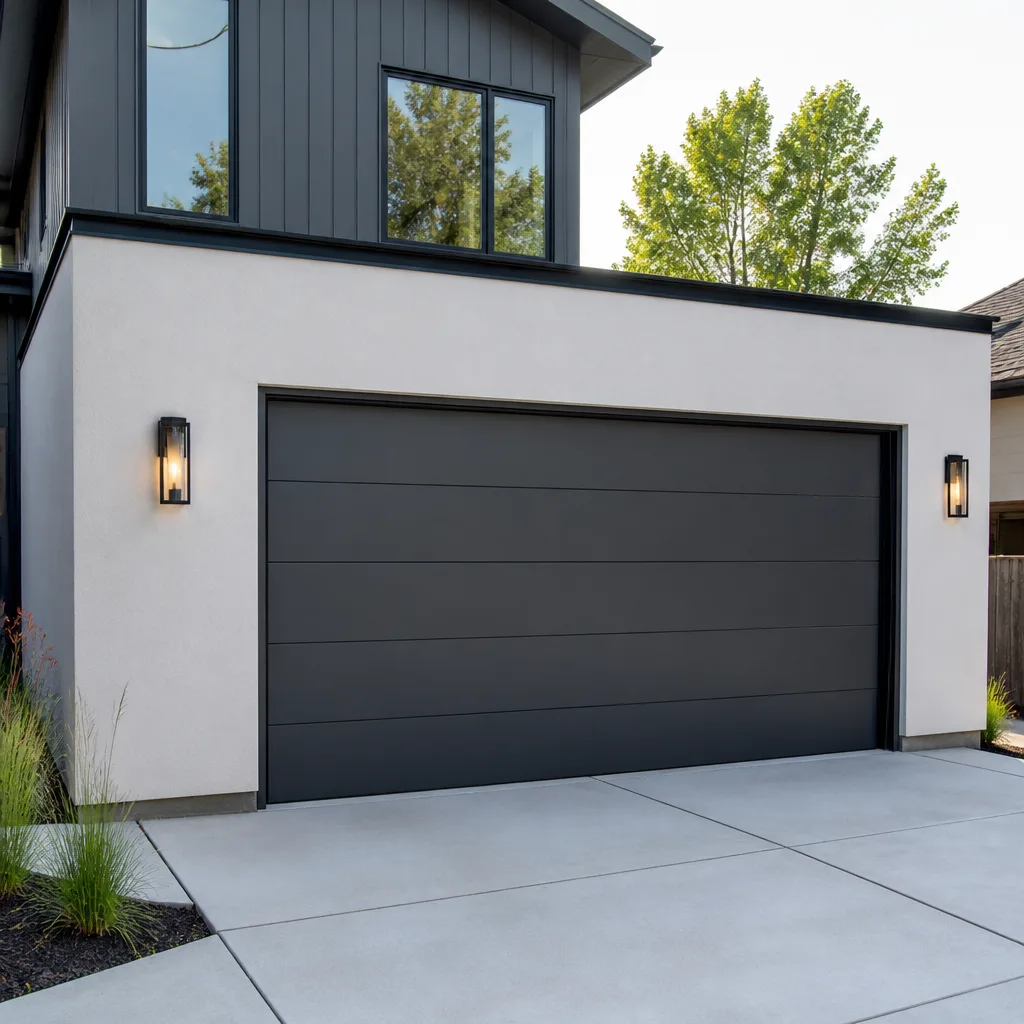 Modern flush
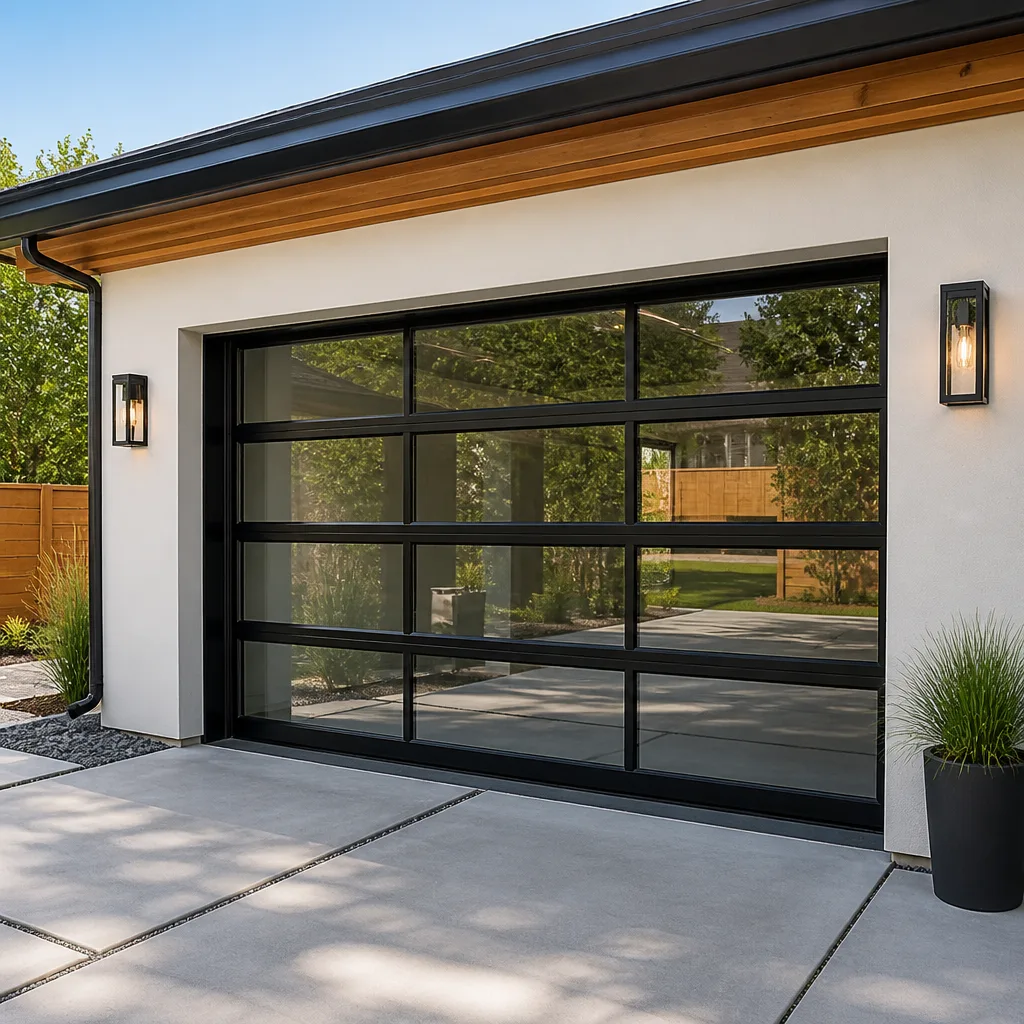 Full-view glass
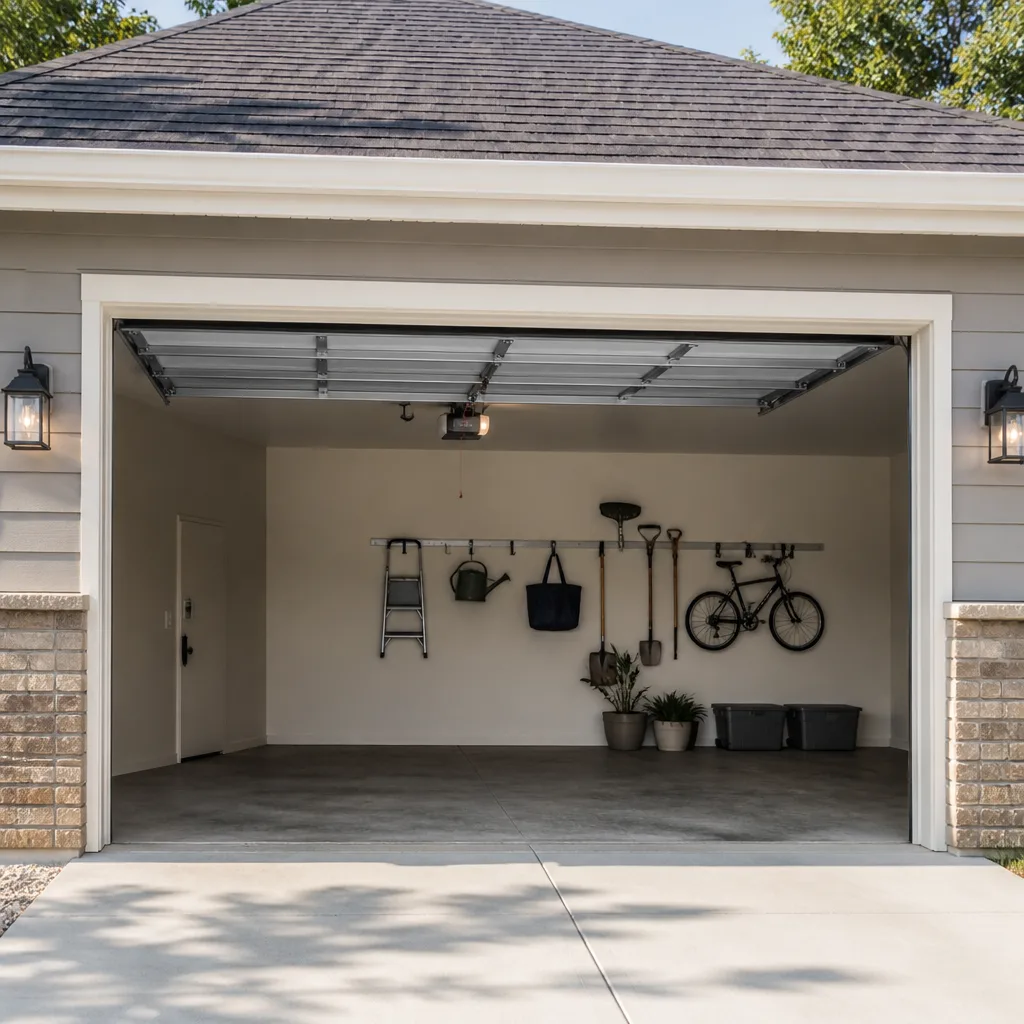 LiftMaster openers
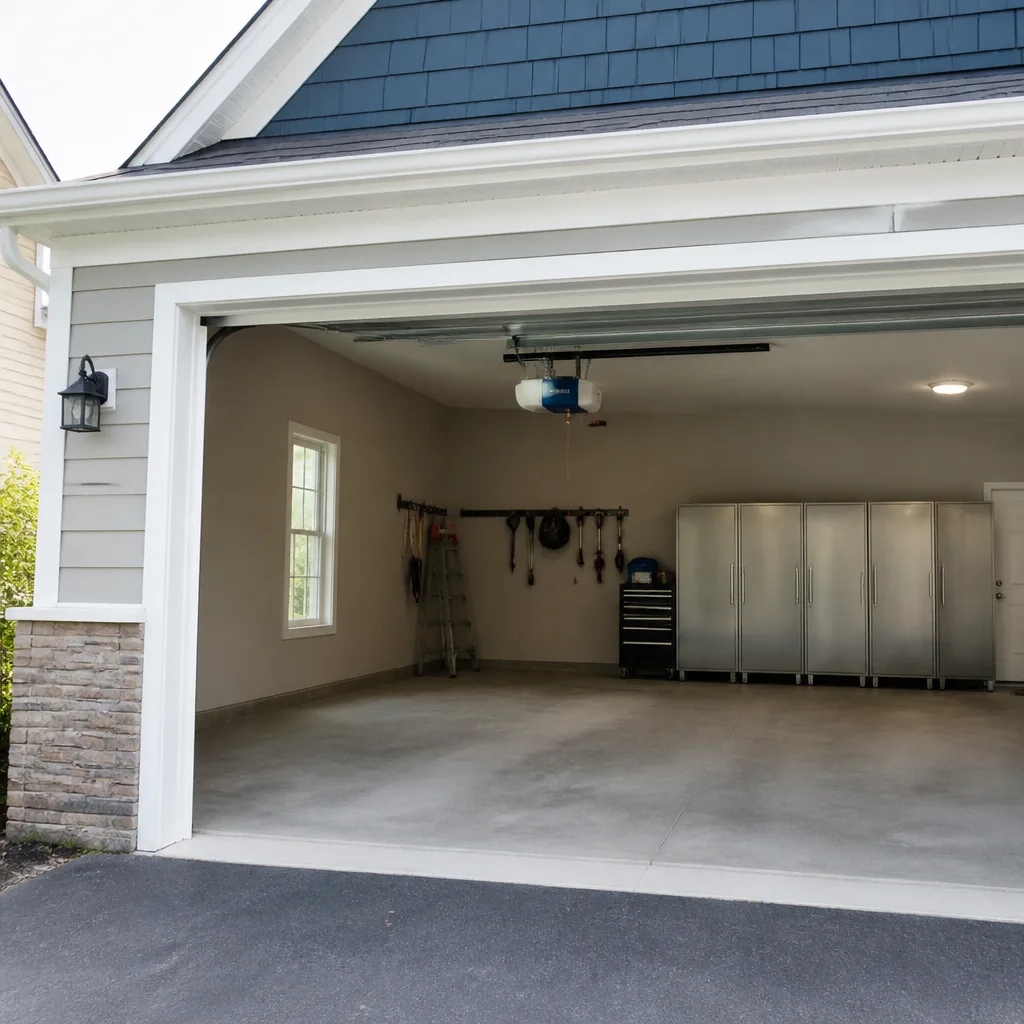 Chamberlain openers
Full 25-point door and opener safety check with every visit - springs, cables, rollers, tracks, and your LiftMaster or Chamberlain opener included
You get a price before we start. It does not change when the pro arrives.
Get your free estimateThe Complete Guide to Garage Doors in High Point
A steel carriage-house door that works perfectly in a newer Paladin Club home can warp, bind, and fail within two years on a 1950s bungalow in Emerywood. Same door. Completely different result. That’s because garage doors aren’t a universal product dropped onto a universal house – they’re a system that has to match the structure underneath it. High Point has an unusually wide spread of housing stock, from mill-era neighborhoods with shallow ceilings and narrow openings to newer builds engineered for wider, taller doors and modern openers. This guide maps every major decision – sizing, materials, opener compatibility, track systems, brand availability – to the High Point homes those decisions actually apply to.
Quick Answer
The right garage door in High Point depends on when your home was built. Pre-1970 homes typically need low-clearance track and careful sizing to fit shallow headers; 1970-2000 homes usually accommodate standard systems with minor adjustments; post-2000 homes are built for modern door dimensions and current opener technology. Materials matter too – High Point’s humidity swings from summer to winter make insulated steel the safest default for most homes, though wood fits the historic architecture better in some neighborhoods. Get the measurement and the written estimate before anything gets ordered.
Styles & brands we work with
- Raised-panel steel
- Carriage house
- Modern flush
- Full-view glass
- LiftMaster openers
- Chamberlain openers
Table of Contents
- How High Point’s Housing Stock Changes Your Door Decisions
- Which Door Materials Hold Up Best in High Point’s Climate
- Standard vs. Low-Clearance Track Systems
- Opener Compatibility by Home Age
- Matching Door Style to High Point Architecture
- Brand Availability and Lead Times
- Repair or Replace? A Decision Framework
- Seasonal Maintenance for High Point Homes
How High Point’s Housing Stock Changes Your Door Decisions
Walk through Emerywood and then drive through a Paladin Club development and you’re looking at two different garage door problems. The house tells you what’s possible. The door has to fit what the house gives you.
We break High Point homes into three age bands. Each one changes the sizing, the header clearance, and the opener you can use.
Pre-1970: Mill-Era and Historic Districts
Older High Point homes – the bungalows and mill houses in established neighborhoods – were built when the garage was often an afterthought. Openings tend to be narrower, sometimes single-car width with very little margin. Ceilings are shallow, and the header above the opening can be just a few inches deep. One-car garages dominate. Low-clearance track is common here because standard track simply won’t fit under the ceiling.
Wood doors were the original equipment on many of these garages, which means you’ll often find warped panels, sagging sections, or a previous owner’s patchwork. Sizing a replacement here starts with the actual opening, not with a standard door size off a shelf.
1970-2000: The Transitional Belt
Homes built in this era have more predictable dimensions. Two-car garages became standard, ceilings got taller, and many builders used consistent sizes that current manufacturers still stock. This is the easiest band to work with. Standard track usually fits. Openers from LiftMaster, Chamberlain, and Genie all mount cleanly. The main jobs here are worn springs, tired openers, and doors that have reached the end of their service life after three decades.
Post-2000: Newer Suburban Builds
Homes in newer High Point developments were engineered for modern door dimensions: wider openings, taller headers, and electricity already run to the opener location. A steel carriage-house door that’s sized correctly installs cleanly and performs for years. The catch is that builders sometimes installed low-end openers or doors to hit a price point, so these homes often need opener upgrades before the door itself fails.
Whatever band your home falls into, a free measure is the starting point. The written estimate that follows tells you the door size, the track type, and the opener compatibility – all before anything gets ordered. If you already know you need service, start with garage door repair rather than a full replacement conversation.
Which Door Materials Hold Up Best in High Point’s Climate
High Point gets real humidity swings between summer and winter, and garage doors take the brunt of it. A door that’s fine in a dry climate can swell, warp, or delaminate here in a few seasons if it’s the wrong material for the application.
Here’s how the main materials actually perform in this region:
- Insulated steel: The safest default for most High Point homes. Steel resists moisture movement, doesn’t warp, and holds paint well. Insulation keeps the garage cooler in summer and warmer in winter. Every major manufacturer makes a version of this – Clopay and Wayne Dalton are both common.
- Wood: Beautiful for historic districts and the right fit for Emerywood’s older homes, but wood needs annual attention in this climate. Without proper sealing, panels take on moisture, swell, and eventually bind against the tracks. It’s a real option, not a bad one, but the maintenance calendar is part of the cost.
- Wood composite and steel-backed carriage: Gives you the historic look without the wood maintenance. Good for High Point homes that need to match a neighborhood aesthetic but don’t want the upkeep.
- Aluminum: Lightweight and rust-resistant, though not insulated. Reasonable for detached garages that don’t need climate control.
- Fiberglass: Resists moisture well but can crack under impact and doesn’t insulate as well as steel. Less common in High Point but workable for certain uses.
If your garage is attached to the house – as it is in most newer High Point developments – insulated steel is the practical pick. If it’s a detached garage on an older lot, the climate demands are lower and you have more freedom.
The other thing humidity does in High Point: it works on the hardware, not just the panels. Springs, cables, and hinges corrode faster in a humid garage. That’s one reason garage door repair calls around here often come down to hardware wear rather than a door that’s actually failed.
Standard vs. Low-Clearance Track Systems
This is the single most overlooked detail when High Point homeowners shop for a new door, and it’s the one that causes the most order-day surprises.
What Low-Clearance Actually Means
The track system is what carries the door from vertical to horizontal as it opens. Standard track requires about 12 inches of headroom above the door opening. Low-clearance track can work with far less – and in older High Point garages, that difference is often the whole reason a standard door won’t fit.
Low-clearance track keeps the door tighter to the ceiling. The tradeoff: it uses different hardware, sometimes a different spring setup, and it limits how thick your door panels can be. A high-end insulated door might not fit a low-clearance track without modification.
How to Tell Which System Your Home Needs
- Measure from the top of the door opening to the ceiling.
- Measure the depth of the header (the beam above the opening).
- Measure the side room on each side of the opening.
- Check for obstructions – pipes, ductwork, or a low beam that limits the track path.
If you’re in a pre-1970 Emerywood home, don’t assume standard track will fit. Many of those garages have exactly the ceiling depth that forces low-clearance hardware. Get it measured before you order.
Opener Compatibility by Home Age
Opener technology has changed a lot. What your garage was built for in 1965 isn’t what a current Chamberlain or Genie unit needs to operate cleanly, and the differences matter most in older High Point homes.
Pre-1970 Homes
Many of these garages were originally manual, with an opener added later – sometimes decades later. The opener mounts to whatever ceiling structure was there. If the ceiling joist wasn’t built for a heavier unit, extra bracing is often needed. Older homes also have narrower tracks, which means the opener has to be tuned to a tighter tolerance than a modern two-car system.
1970-2000 Homes
The most straightforward band. Most current opener brands – LiftMaster, Chamberlain, Genie – mount without modification. Wiring is usually in place. If the existing opener is more than 15 years old, replacing it is often smarter than repairing it, because parts availability gets thin and safety features have improved.
Post-2000 Homes
These homes were wired for modern openers from day one. The main question isn’t compatibility, it’s quality. Builder-grade openers are common, and upgrading to a LiftMaster or Genie unit with better safety sensors and smart-home integration is a routine job. If the opener’s circuit board fails or the wall control dies, that falls under garage door opener repair – it’s a distinct service from door work, and it’s worth using a specialist who knows the electronics side.
One safety note: opener force settings and safety sensors are designed to stop the door if something is in its path. If your door closes on an object or won’t reverse, that’s a safety issue, not a convenience issue. Have it checked by a trained technician rather than adjusting the force setting yourself.
Matching Door Style to High Point Architecture
The box store stocks what sells nationally. High Point homes have local architectural character that doesn’t always match the national default.
Historic Districts and Mill-Era Neighborhoods
Bungalows and older homes typically want a flat-panel or short-panel door with clean lines. Carriage-house styles with decorative hardware can work, but the proportions need to match the house – a heavy carriage door on a small bungalow looks forced. Wood or a steel-backed wood-look door fits here best.
Mid-Century and Transitional Homes
Homes from the 1970-2000 band often had a traditional raised-panel door. Steel raised-panel with some depth and a clean color works well. Full-view glass doors have become a popular upgrade in these homes where privacy isn’t a concern.
Newer Developments
Carriage-house and full-view glass doors dominate newer High Point builds. The wider openings and taller headers let you use larger panels and more visual complexity. Clopay’s residential lines and Amarr’s carriage collections both fit the aesthetic without custom sizing.
The rule that holds across every High Point neighborhood: match the door to the house’s proportions rather than to what looks good in a showroom. A door that’s the wrong scale for the house never quite works, no matter how nice the panels look.
Brand Availability and Lead Times
Brand matters for two reasons in High Point: which manufacturers make the door type your home needs, and how long you’ll wait for it to arrive.
The doors and openers you’ll see most in this market:
- Clopay: Strong residential lineup including the carriage-house styles popular here. Widely available through regional distribution.
- Amarr: Broad styling range and competitive pricing. Common for newer High Point builds.
- Wayne Dalton: Solid mid-market options, often available with shorter lead times since they have wider regional dealer networks.
- Raynor: More niche, but good for homes that need specific style matches.
- LiftMaster, Chamberlain, Genie: The dominant opener brands. Parts and units are widely available.
- Craftsman: Older Craftsman openers are still common in High Point garages, and they can be serviced or replaced with a same-footprint unit.
Lead times vary widely by door type, size, and color. Standard sizes in common colors usually ship faster. Custom sizes, unusual window patterns, or premium finishes can take several weeks longer. The written estimate should include the expected lead time and install date, so you’re not guessing when the door will arrive.
We work on all of these brands, and we don’t push any manufacturer over another. The door that fits your house and your budget is the right one.
Repair or Replace? A Decision Framework
Not every failing door needs to be replaced, and not every repair is worth doing. Here’s how to think through the decision.
Repair Usually Makes Sense When:
- The door panels are structurally sound with no significant warping or delamination.
- The failure is limited to springs, cables, rollers, or hinges (the consumable parts).
- The opener works but one component – the wall control, safety sensor, or circuit board – has failed.
- The door is under about 15 years old and matched the house’s dimensions well when installed.
Replacement Usually Makes Sense When:
- Panels have warped, delaminated, or rotted (common in older wood doors in humidity).
- The opener is failing and parts are unavailable.
- The door’s style or scale is wrong for the house and has been since installation.
- Multiple components fail in the same season, suggesting the whole system is at the end of its service life.
There’s one repair that’s a genuine safety issue, not just an inconvenience: broken torsion springs. Torsion springs are under extreme tension, and a broken spring makes the door dangerous to operate and dangerous to repair without proper tools and training. Don’t try to force the door or replace the spring yourself – call a trained technician. (Extension springs on older doors carry similar risk.) This is a professional-only job in every case.
Same goes for electrical work on the opener if you’re considering rewiring or replacing a circuit. If the diagnosis you need is fast and the door is stuck or misbehaving, that’s exactly the case for a quick call and a fast dispatch from 7am to 7pm.
Seasonal Maintenance for High Point Homes
Garage doors in High Point need two things from their owners over the course of a year: a visual check for wear, and a small amount of lubrication in the right places. Here’s a practical calendar.
Spring Check (Before Summer Humidity)
- Look at the springs. Check for visible gaps, corrosion, or the door feeling unusually heavy when manually lifted halfway.
- Test the safety reversal. Place a small object in the door’s path and confirm the door reverses on contact.
- Check the balance. Disconnect the opener and lift the door halfway. It should stay in place. If it slams down or flies up, the springs are misadjusted or worn.
- Inspect the weather seal at the bottom. Winter moisture and summer heat both wear the seal faster than in a dry climate.
Fall Check (Before the Cold)
- Lubricate hinges, rollers, and tracks with a garage-door-specific lubricant. Avoid silicone spray on the tracks themselves if the manufacturer recommends against it.
- Check the panel finish. Any chipped paint or sealant on a wood door needs to be addressed before winter moisture gets in.
- Tighten the hardware. Vibration from daily use loosens bolts over a season.
- Test the opener one more time for force and travel limits.
The critical safety line: springs, cables, and any high-tension component are not DIY territory. If a spring looks wrong, or the door’s balance feels off, stop using it and call a professional. The cost of a check is far less than the cost of a spring that fails while someone’s standing under it.
Common Mistakes to Avoid
- Ordering a door before measuring the opening. A “standard” door doesn’t exist in High Point’s older neighborhoods. Measure the actual opening, header depth, and side room before you order anything. Getting it wrong means a non-returnable door.
- Ignoring clearance on pre-1970 garages. Assuming standard track will fit a shallow-ceiling Emerywood garage is the most predictable order-day problem here. Measure first.
- Choosing a door by looks alone. A heavy wood carriage door on a short-header bungalow is a sizing problem before it’s a style problem. Match proportions first.
- Overpaying for a door the house doesn’t need. The newest, widest door doesn’t help a one-car garage. Look at what the space actually does and buy for that.
- Installing a door with a failing opener. A new door paired with an old opener puts stress on the opener and shortens its life. If the opener is near end-of-life, budget for replacing both.
- Skipping annual lubrication in a humid climate. High Point’s moisture makes hardware wear faster than in dry regions. A ten-minute seasonal check pays off.
- DIY spring replacement. The single most common serious injury in garage door work. Springs are professional-only. Call for a check before anything else.
See the difference
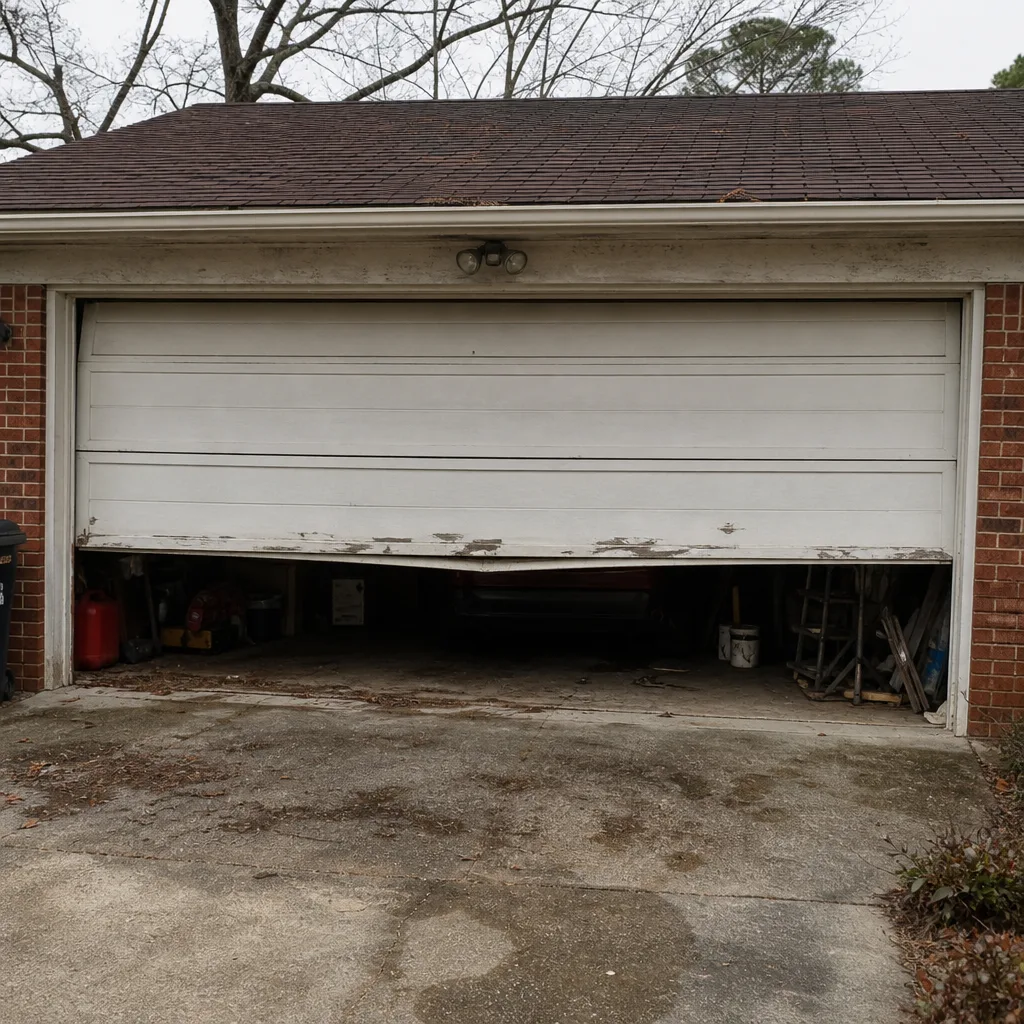 Before
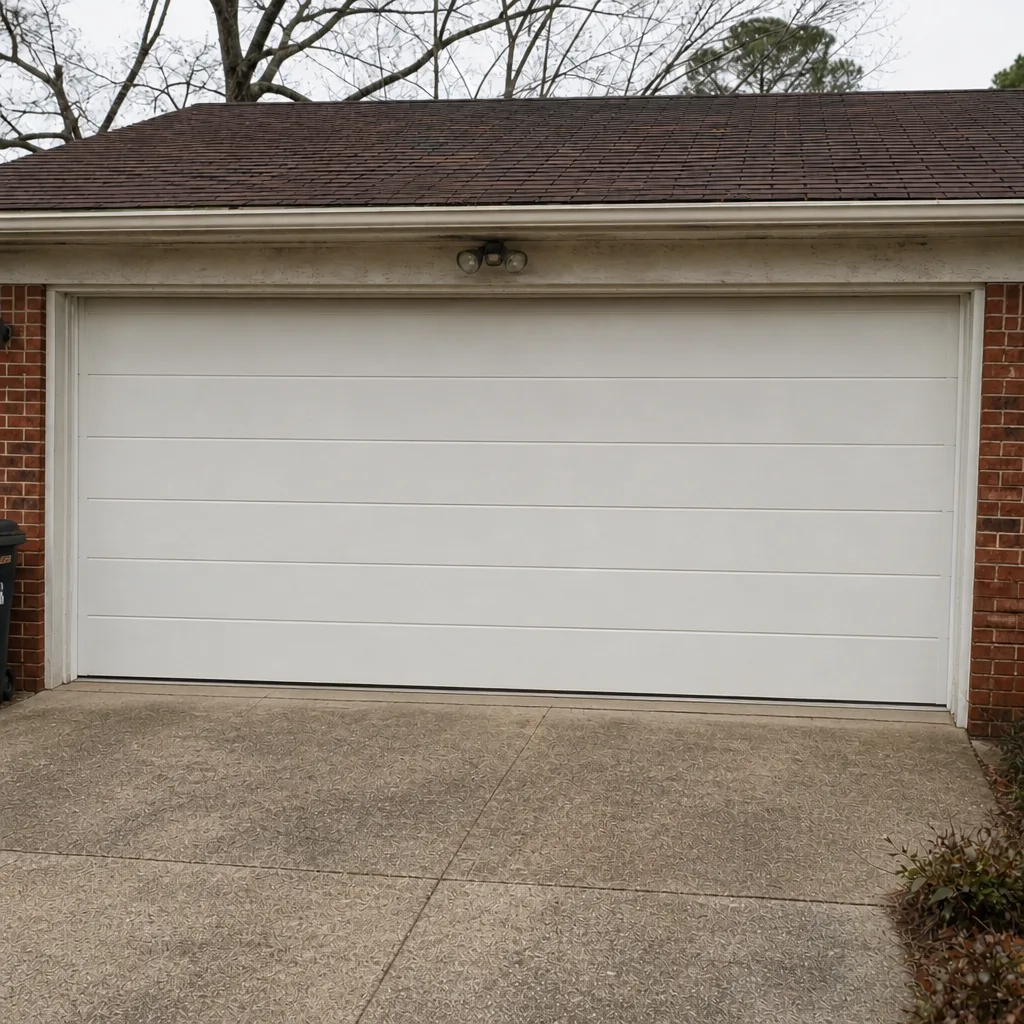 After
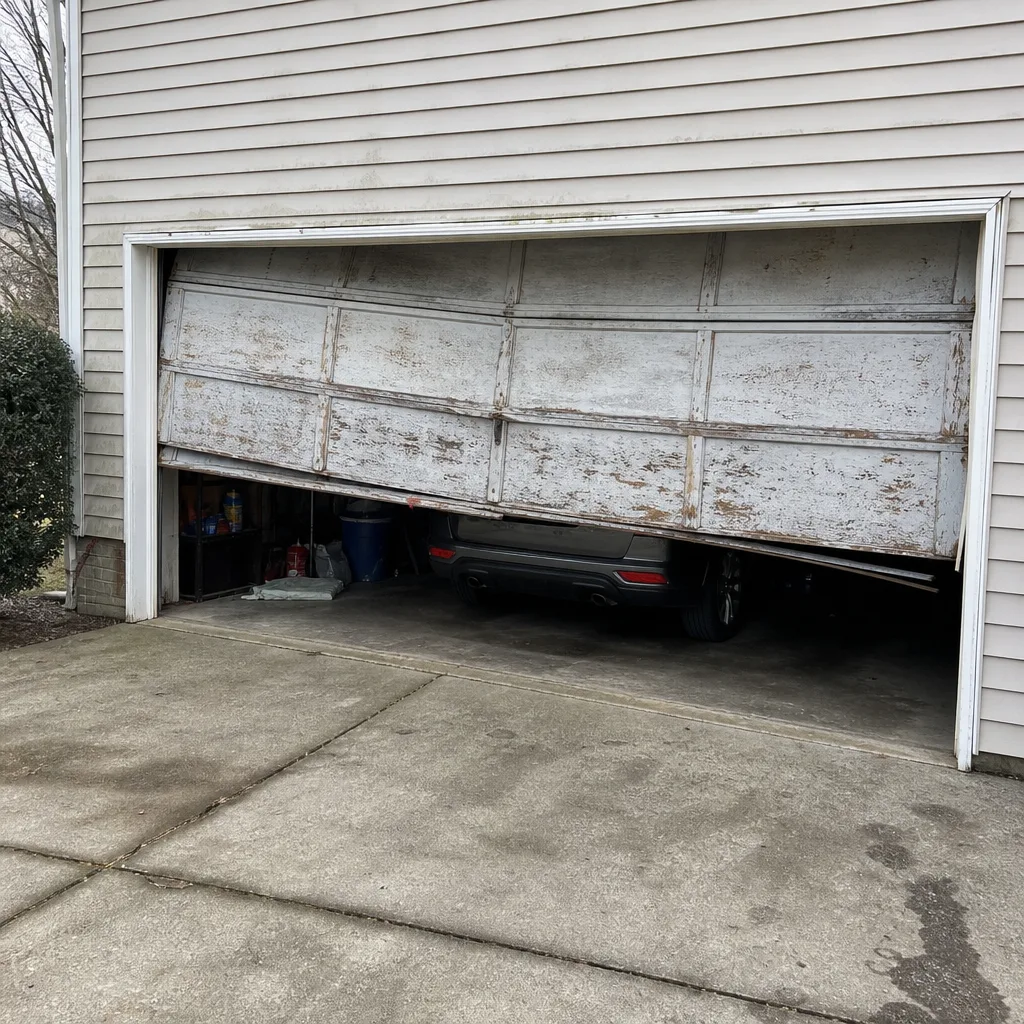 Before
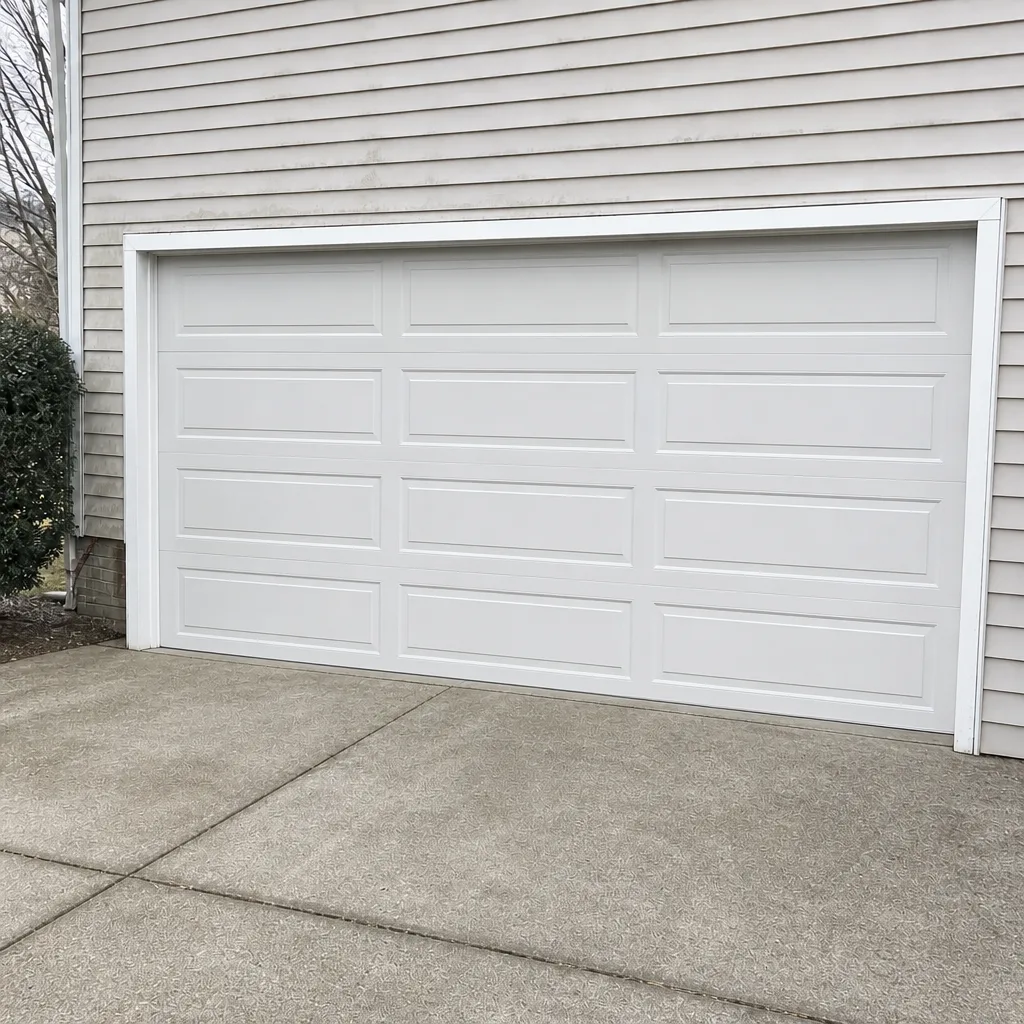 After
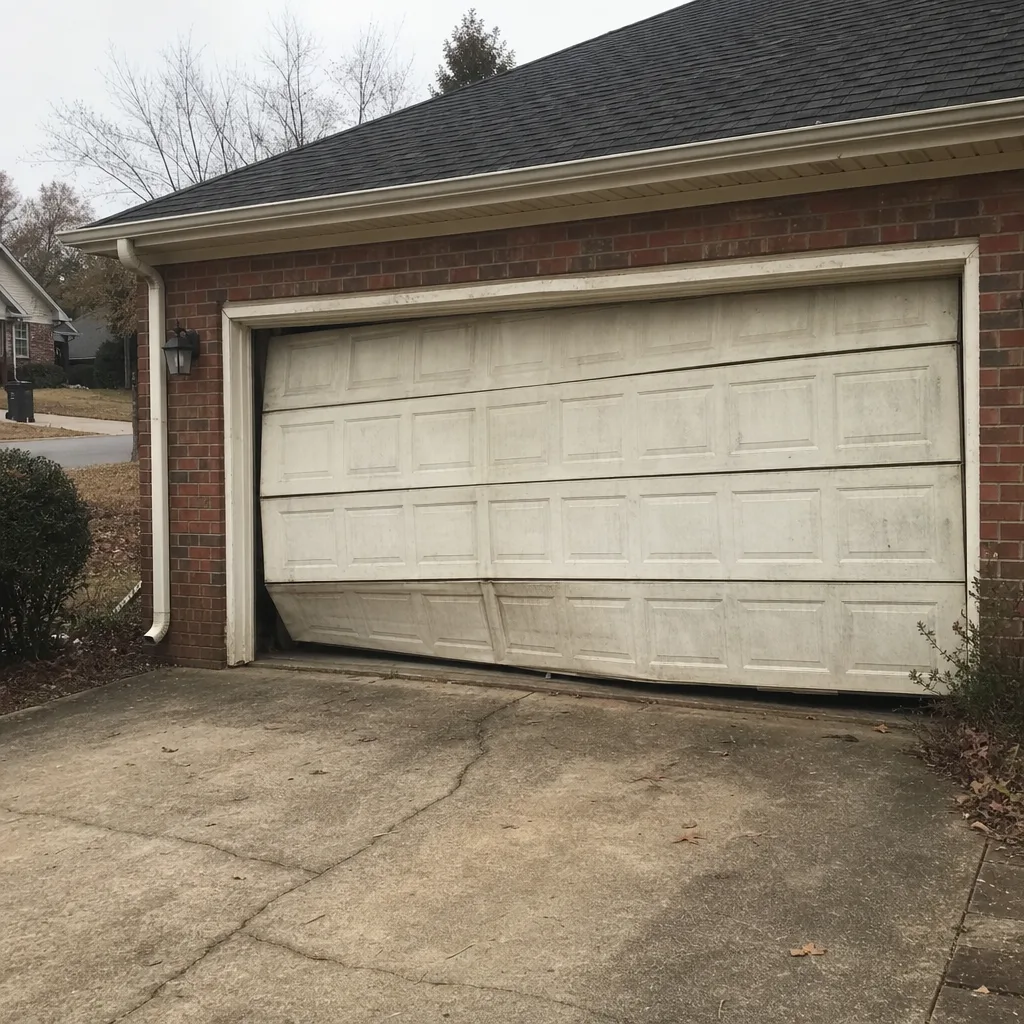 Before
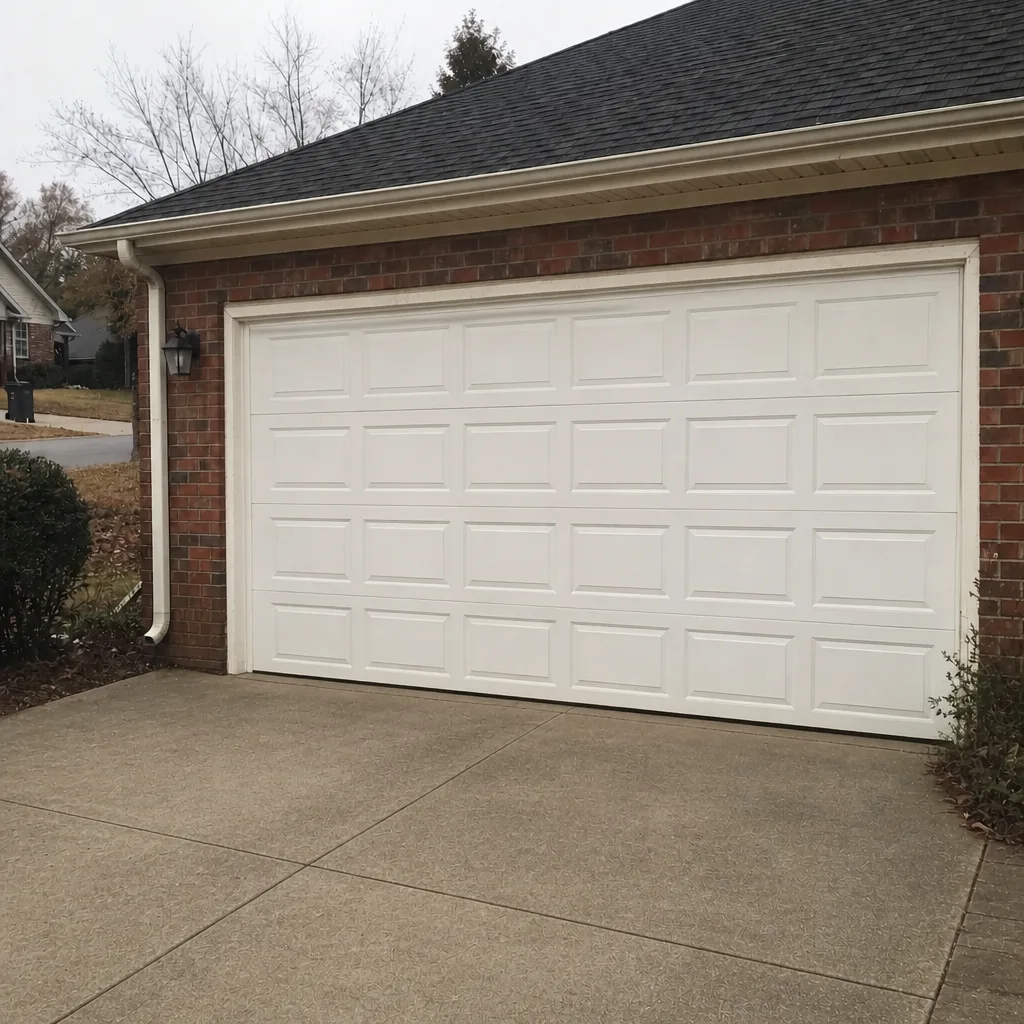 After
When to Call a Professional
Some jobs need a specialist. Springs, cables, opener boards, and any safety-reversal failure are all cases where a trained technician saves time, money, and risk. If your door won’t open, closes on obstacles, makes a loud pop, or the opener has stopped responding entirely, that’s a call now, not a call later.
If you’re planning a new door and you’re not certain about the sizing or clearance, a free measure and written estimate from a specialist prevents order-day mistakes and gives you a clear picture of what your home will actually accommodate. We answer 24/7. Fast dispatch, 7am-7pm. Arrow Garage Door Service offers free estimates in High Point – call (833) 842-1974. The estimates are free, and the price you sign is the price you pay.
Also worth calling about: any door that’s out of balance, any opener with a safety reversal that doesn’t work, and any panel that’s warped enough to bind against the track. These aren’t emergencies, but they become emergencies if left unattended. If you’re in High Point and want a straight diagnosis, reach out and we’ll tell you what the door needs.
Frequently Asked Questions
Measure from the top of your garage door opening to the ceiling. If it’s about 12 inches or more, standard track is likely an option. If it’s less – which is common in pre-1970 High Point homes – you’ll need low-clearance track. Call (833) 842-1974 for a free measurement – estimates are free.
Insulated steel is the safest default for most High Point homes. Steel doesn’t warp or swell with humidity, holds paint well, and insulates the garage against temperature swings. Wood looks right on historic homes but needs more maintenance in this climate. If you need help choosing, call us for a free assessment.
Yes. We service products from all eight of those manufacturers, door panels and opener systems alike. We work on what you already own and don’t push a manufacturer switch. Call (833) 842-1974 to book a diagnostic.
Most standard door replacements are done in a single day once the door arrives. The lead time before install varies by door type, size, and color – standard sizes in common colors move faster. Custom or specialty finishes can take several weeks. The written estimate lists your specific lead time. Call for a free measure and quote.
Prices vary by job, and every repair is quoted per job with a written estimate before any work starts. That way you know the price before we touch the door. Call (833) 842-1974 for an exact quote – estimates are free.
Our technicians are trained specialists with up to 15 years of hands-on experience working on residential garage doors and openers. We’re a garage-door-only company – full repair, opener repair, and installation under one roof. Call (833) 842-1974 to book a visit.
The Bottom Line
Garage doors in High Point aren’t one-size-fits-all. The right door and opener depend on when your home was built, what clearance the garage gives you, and which materials actually hold up to this region’s humidity swings. The three rules that matter most: measure before you order, don’t assume standard track fits an older home, and never handle torsion springs yourself. Get the free measure, review the written estimate, and match the door to the house. From repairs to garage door repair and new installation – whether you’re in historic Emerywood or a newer development – the right call is to a specialist who knows the brands and the local housing stock. We handle it end to end, from opener circuit boards to full door replacements.
If you’re comparing options or need a diagnosis, the team at Arrow Garage Door Service works on every major brand and quotes the price before the work starts. Call (833) 842-1974 – we answer 24/7, with fast dispatch from 7am to 7pm, Sunday through Friday, for customers in High Point and the surrounding area.
Written by the team at Arrow Garage Door Service.