
Last updated November 15, 2026
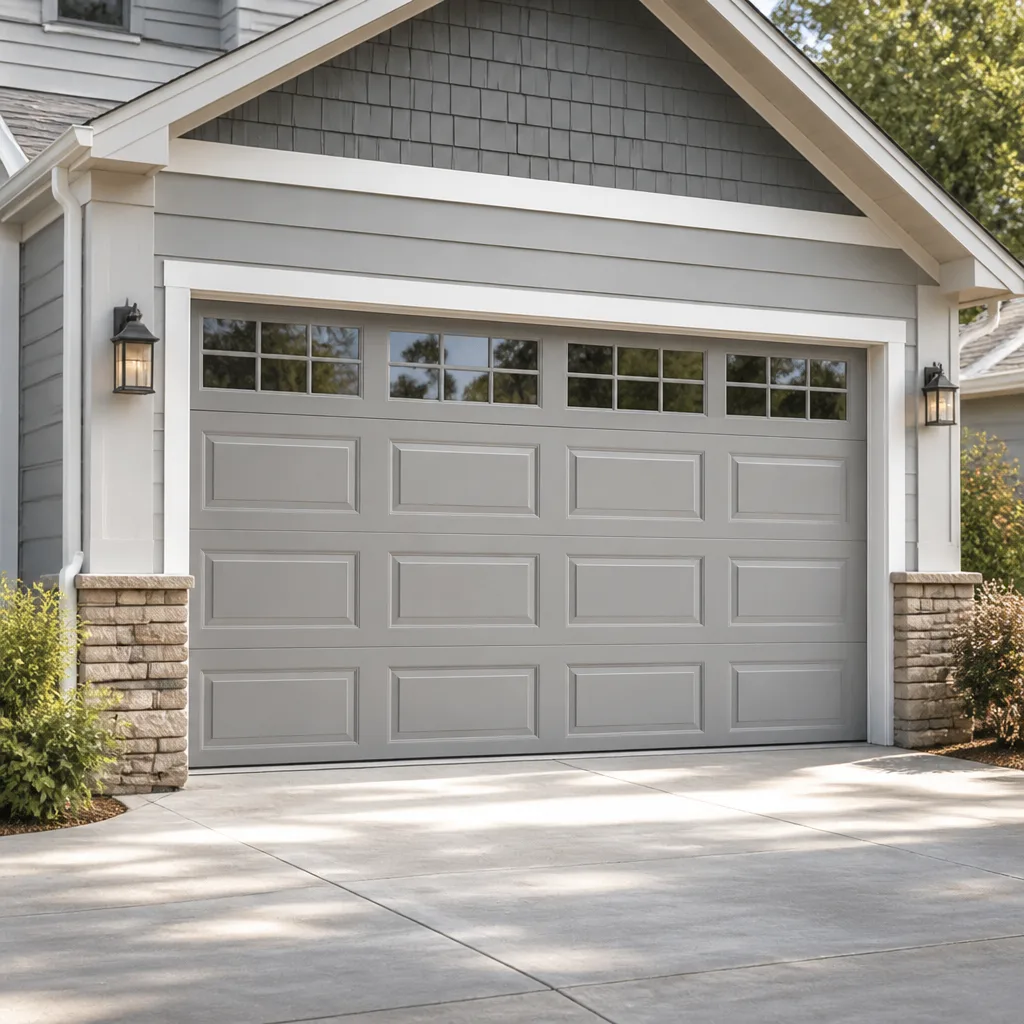 Raised-panel steel
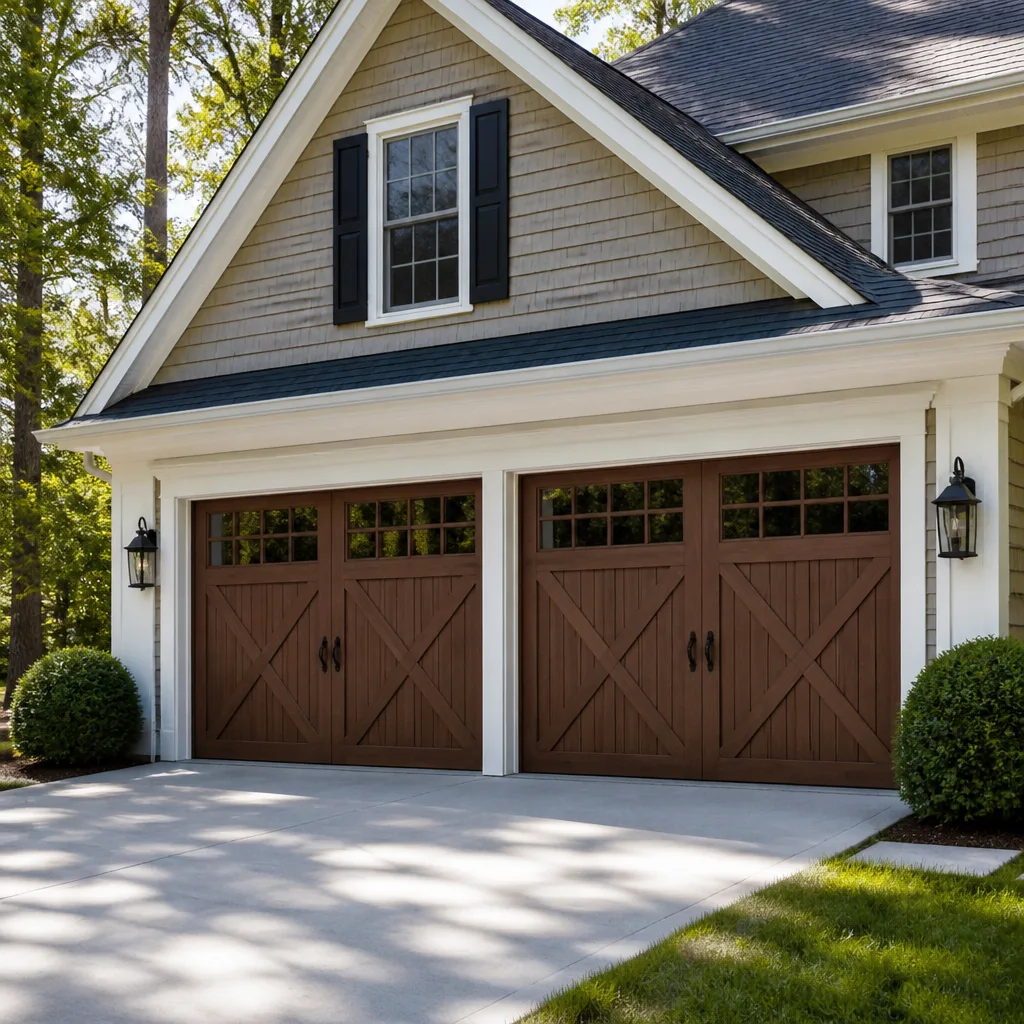 Carriage house
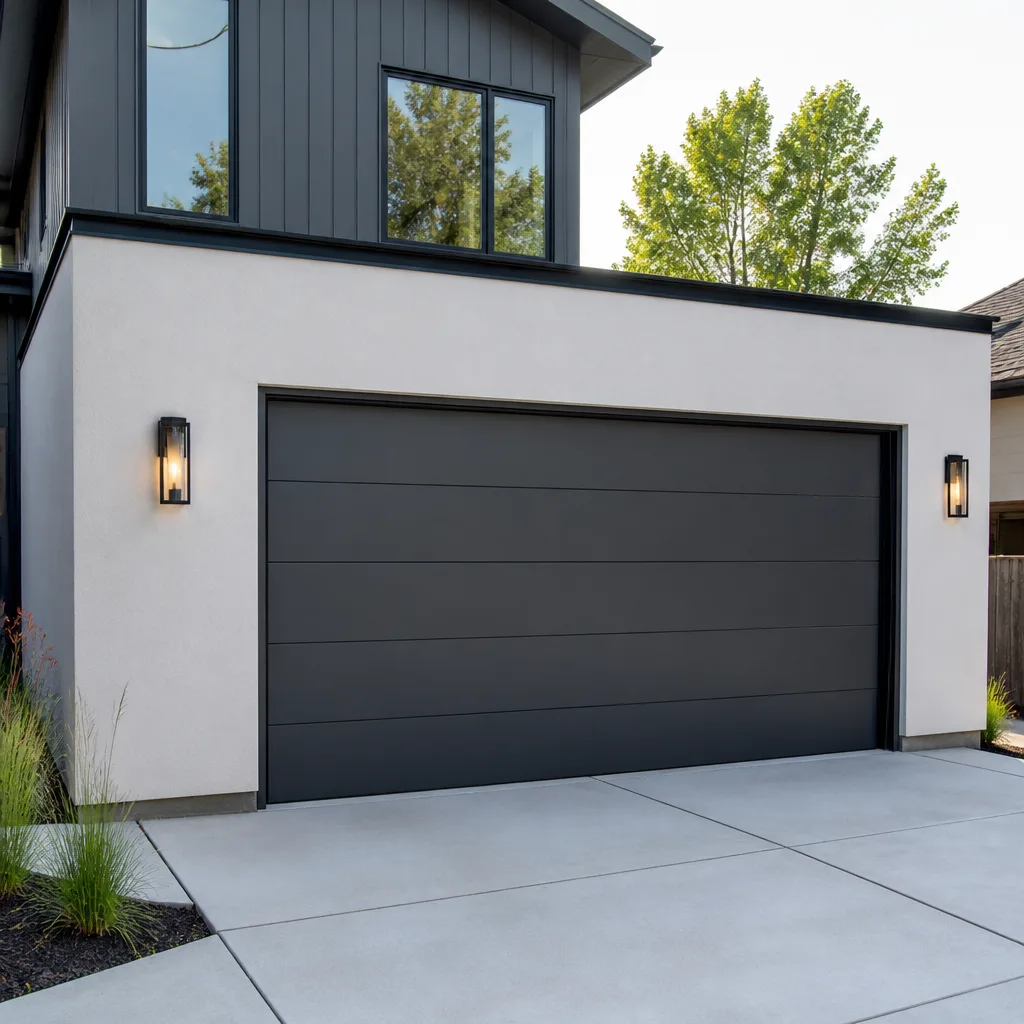 Modern flush
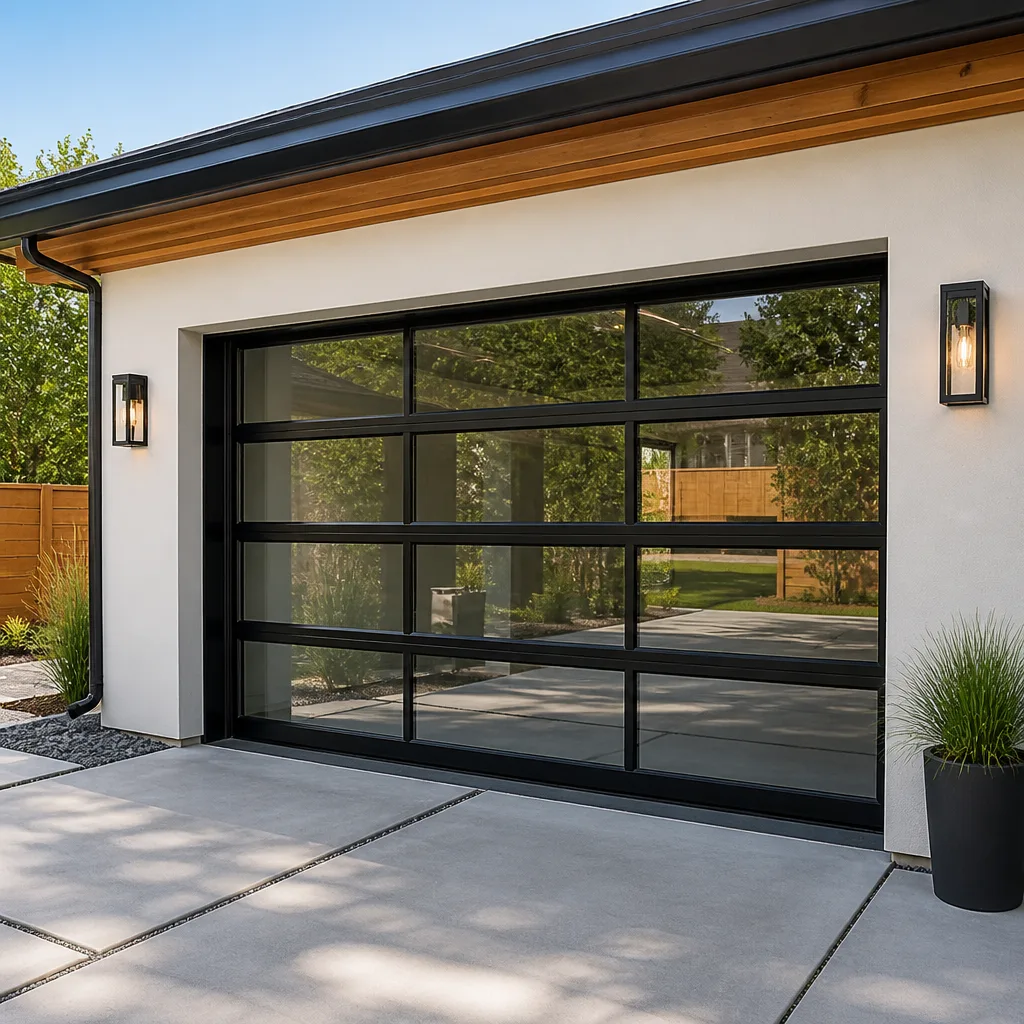 Full-view glass
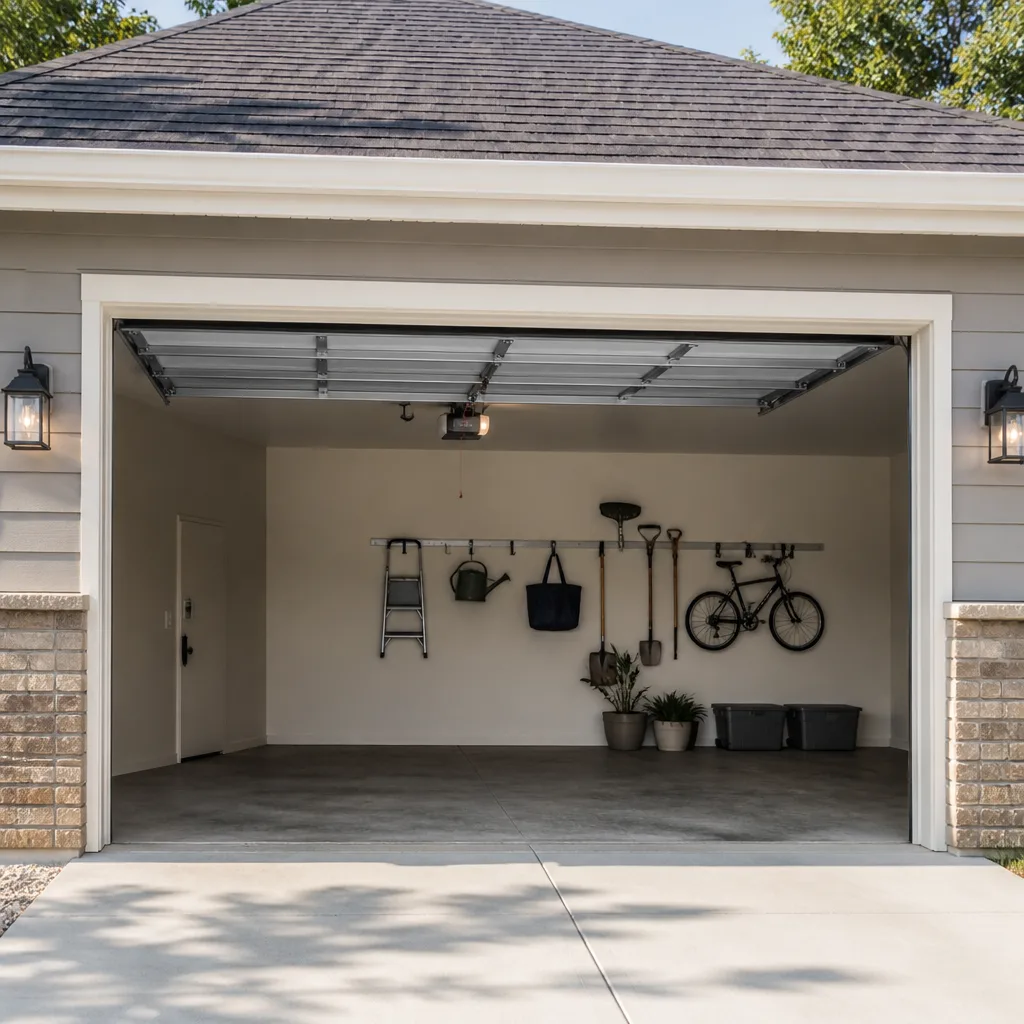 LiftMaster openers
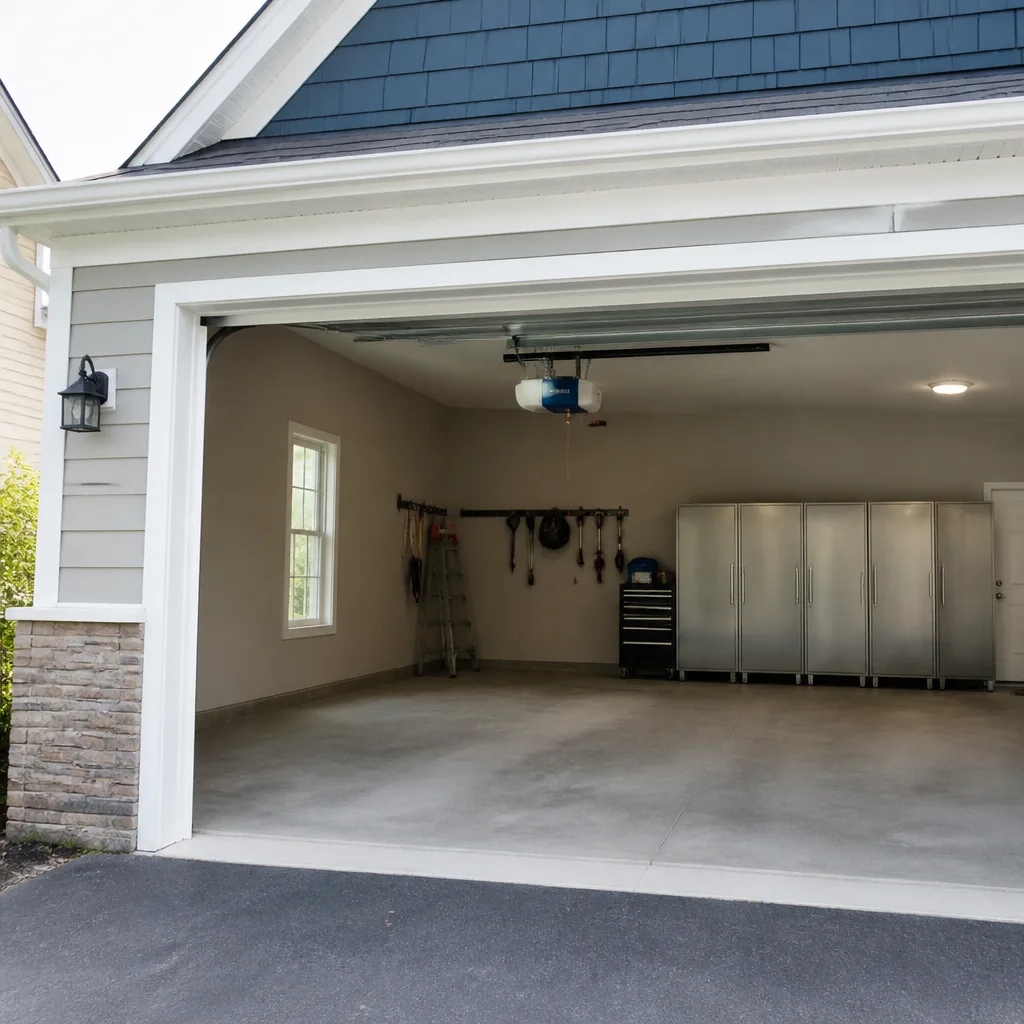 Chamberlain openers
Full 25-point door and opener safety check with every visit - springs, cables, rollers, tracks, and your LiftMaster or Chamberlain opener included
You get a price before we start. It does not change when the pro arrives.
Get your free estimateGarage Door Warning Signs: A High Point Homeowner’s Reference Guide
The signs that matter most are usually the quiet ones. Most homeowners call us after something breaks – a spring snaps, a door drops, an opener quits. But in our experience, the door has been telling you for weeks. It opened a little slower. It paused at the top. It made a sound you told yourself you’d look into later. Those small behavioral shifts are the real forecast, and they come well before the visible damage. This guide teaches you to read your door’s behavior the way a technician does, so you can catch a failing component in High Point before it strands your car or turns a small repair into a bigger one.
Quick Answer
The first warning signs of a failing garage door are behavioral, not visible: the door gets slower, hesitates, drifts back down, or starts making a new sound. These point to a torsion spring losing tension, worn rollers, or a straining opener – weeks before any obvious damage. If you notice the door hard to lift by hand or a snapping cable, stop using it and have it checked.
Styles & brands we work with
- Raised-panel steel
- Carriage house
- Modern flush
- Full-view glass
- LiftMaster openers
- Chamberlain openers
Table of Contents
- Behavioral Warning Signs vs. Visible Warning Signs
- The Balance Test: How to Read Spring Wear Early
- What Each Sound Tells You About the Failing Part
- Opener Signs Homeowners Misread as Door Problems
- Severity Triage: Schedule This Week, Stop Now, or Cosmetic
- Safety Warning Signs That Mean Stop Using the Door
- Common Mistakes to Avoid
- When to Call a Professional
Behavioral Warning Signs vs. Visible Warning Signs
Visible warning signs get all the attention. A bent panel, a frayed cable, a gap at the bottom of the door – those are easy to spot, and they’re real. But by the time damage is visible, the component has usually already been failing for a while. The behavioral signs come first, and they’re the ones most High Point homeowners overlook because nothing looks broken yet.
Behavior is a translation of mechanical condition. A door is a balanced system: springs carry the weight, the opener provides the push, and rollers and hinges guide it. When any part of that system drifts out of tune, the door’s behavior changes before the part fails outright. Here’s what to watch for:
- Slowing down. A door that takes noticeably longer to open fully than it did months ago is often a torsion spring losing tension. The opener is working harder to lift a weight the springs no longer carry.
- Hesitation or stalling. If the door pauses at a point in its travel, something is binding – a worn roller, a hinge that needs attention, or a track out of alignment.
- Drifting back down. When a partially open door settles on its own, the springs aren’t holding their weight. That’s a balance problem, not an opener problem.
- Uneven movement. One side rising faster than the other suggests a cable, roller, or spring on one side is working differently than the other.
- Rattling you didn’t used to hear. Loose hardware and worn rollers announce themselves through sound before they show up visually.
None of these are cosmetic. Each is a mechanical signal, and in our experience, they show up weeks before the visible damage or the sudden failure. When you learn to read the behavior, you buy yourself time to schedule garage door repair instead of calling after the door won’t budge.
The Balance Test: How to Read Spring Wear Early
A simple balance test tells you more about your door’s health than a visual inspection. It reveals spring wear before any visible damage appears, and it takes about a minute. Do it cautiously – and if the door is heavy, won’t lift, or feels wrong at any point, stop and don’t force it.
- Disconnect the opener. Pull the manual release cord so the opener is no longer driving the door. The door should now move only by hand.
- Raise the door halfway. Lift it to the midpoint of its travel slowly and evenly. It shouldn’t take real effort – a well-balanced door feels light because the springs are carrying the weight.
- Let go and watch. A balanced door holds its position at the halfway point. If it drifts down, the springs are losing tension. If it drifts up, they’re over-tight or unbalanced.
- Reconnect the opener once the test is done, and note anything that felt off – it’s worth a conversation before it becomes a failure.
The balance test matters because a spring doesn’t snap out of nowhere. It loses tension gradually, and the drift becomes more pronounced over time. A door that drifts a little today will drift more next month. Catching that early is cheaper and safer than waiting for the sudden snap that leaves a door stuck closed.
One caution: the balance test is about observation, not adjustment. Never try to tighten, loosen, or replace a torsion spring yourself. Those springs are under high tension, and touching them without the right tools and training can cause serious injury. A trained professional is the only person who should adjust a spring. If your balance test shows drift, that’s your cue to call.
What Each Sound Tells You About the Failing Part
Sound is the most diagnostic thing your door gives you, and most homeowners lump every noise into one category: “it’s loud.” But a thump, a grind, and a squeal each point to a different component. Learning to tell them apart means you can describe the problem accurately, and a technician can arrive already knowing where to look.
- A thump or bang at the start or end of travel often points to a spring issue or a loose hinge. A single loud thump when the door starts moving can mean a spring is struggling to carry the load at that point in the cycle.
- A grinding sound usually comes from the rollers, the track, or the opener’s drive system. Worn steel rollers on a dry track can grind, and so can a chain or belt that’s out of adjustment. Grinding gets worse over time and can wear the track itself if ignored.
- A squeal or screech is typically a lubrication or friction problem – rollers, hinges, or the track. A shrill squeal that appears suddenly is often a roller or a bearing that’s failing.
- A buzzing from the opener unit while the door doesn’t move can mean the opener is trying to run but the door is stuck, or a capacitor or gear in the opener has failed. That’s a signal to stop and get it checked, not to keep pressing the remote.
- A sharp snap or crack is the sound of a cable or spring failing. Stop using the door immediately and call a professional.
The value here is pattern-matching. If your High Point door used to be quiet and now grinds, the grind is telling you something specific is wearing. If it squeals, that’s friction. The sound usually gets louder and more frequent before the part fails, so an unexplained new noise is your advance notice. We hear these sounds across every brand we work on – a Raynor door and a LiftMaster opener each have their own signature noises – and the mapping from sound to part holds up regardless of make.
Opener Signs Homeowners Misread as Door Problems
This is the most common misdiagnosis we see: a homeowner is sure the door is broken when the actual problem is the opener, or the reverse. Getting this wrong costs money, because you end up paying for the wrong repair. A door that behaves oddly isn’t automatically a door problem, and an opener that acts up isn’t automatically an opener problem. The trick is knowing which signs belong to which system.
Signs that usually point to the opener:
- The door stops partway and reverses, but the door itself moves freely by hand. That’s often a sensor, limit, or force-setting issue in the opener.
- The opener runs but the door doesn’t move, or the door moves only when you press and hold. That’s a drive or logic problem in the unit.
- The wall button works but the remote doesn’t (or the reverse). That’s a remote, receiver, or battery issue, not the door.
- The opener light flashes in a pattern. On many LiftMaster, Chamberlain, and Genie units, a flashing light is a diagnostic code pointing at a specific cause.
Signs that usually point to the door:
- The door is hard to lift by hand, even with the opener disconnected. That’s springs, rollers, or track.
- The door is visibly uneven, binds at one point, or scrapes the frame. That’s alignment.
- The door drifts back down when released. That’s balance.
Why does the distinction matter? Because replacing an opener when the problem is a tired spring, or replacing springs when the problem is a faulty opener circuit board, is wasted money. In our experience, this kind of misdiagnosis is where homeowners overspend most. A specialist who works on both systems – garage door opener repair and door repair together – can tell the difference quickly, and we’re fluent in the major opener brands like Genie and Chamberlain as well as the door manufacturers, so the diagnosis isn’t a guess.
If you’re reading a flashing error code on your opener and aren’t sure what it means, that’s a good moment to describe it to a professional rather than start swapping parts. The unit is giving you an answer already.
Severity Triage: Schedule This Week, Stop Now, or Cosmetic
Not every warning sign carries the same weight, and treating them all the same wastes your time or, worse, ignores a real danger. Here’s how we triage the signs in a High Point home: three buckets, from “schedule it soon” to “stop using the door right now” to “genuinely cosmetic.”
Schedule this week
- A door that’s slower, noisier, or more hesitant than it used to be.
- The balance test shows drifting at the halfway point.
- A grinding or squealing that’s gotten louder over time.
- An opener that reverses unexpectedly or needs the wall button to work.
- A single thump at start or finish of travel.
These are signs of wear in progress. They’re not emergencies yet, but they’re on a path toward one. Booking repair in the same week keeps a small fix from turning into a bigger one, and it means you’re not dealing with it after the door has already jammed.
Stop using the door now
- A snapped or visibly frayed cable.
- A door that drops or slams instead of lowering smoothly.
- A torsion spring that’s broken or a door too heavy to lift by hand.
- The door hanging unevenly, off one track, or stuck partway.
- A loud crack or snap followed by the door not moving.
Stop and call. Using the door in these situations can compound the damage, and a door that fails with a car underneath or a person nearby is a genuine hazard. These are the moments where a technician from Arrow Garage Door Service should take over.
Genuinely cosmetic
- A scuff or small dent in a panel that doesn’t affect operation.
- Faded paint or weatherstripping that’s worn but still sealing.
- A slight misalignment in the door’s appearance with no effect on travel.
Cosmetic issues can wait, but keep an eye on them – a weather seal that stops sealing can let in water and pests, and a dent that grows can eventually reach the tracks. Cosmetic isn’t the same as ignore.
Safety Warning Signs That Mean Stop Using the Door
Some components of a garage door are genuinely dangerous, and treating them casually is how people get hurt. The two biggest are the torsion springs and the cables. Both are under high tension, and both can release stored energy suddenly if something goes wrong. If you see or suspect a problem with either, stop using the door and keep people and vehicles clear.
- A broken spring. You’ll often hear a bang, and the door will feel extremely heavy or won’t lift. Don’t try to open or close it by hand.
- A frayed or kinked cable. A cable with broken strands or a kink is a cable about to fail. Don’t touch it, and don’t run the door.
- The door dropping or slamming. If it falls rather than lowers, the system isn’t controlling the door’s weight. Stop using it.
- A door off its track or hanging at an angle. A door can come down unexpectedly when it’s off balance. Leave it where it is and call.
The safety rule with springs and cables is simple: look, don’t touch. Springs and cables should only be handled by trained technicians with the right tools. This isn’t a job for a general handyman or for a homeowner with a video and a Saturday afternoon. We can work with your insurer if a failure causes damage, but the better plan is to catch the behavioral signs early and avoid the failure altogether.
If you have a Raynor, Clopay, or Amarr door, the springs and cables are just as load-bearing as any other brand, and the safety rules apply the same way. Brand doesn’t change the risk; the tension does.
Common Mistakes to Avoid
- Waiting for the door to actually break. The behavioral signs come first, and every day you ignore a slowing door is a day closer to a stranded car. Call when you notice the change, not after the failure.
- Greasing the track to quiet a noise. Lubricating the track isn’t the fix for a grinding roller or a worn hinge, and in High Point’s humid summers, the wrong lubrication can attract grit that makes it worse. Fix the part that’s making the noise.
- Adjusting the safety sensors with tape or a shim. Misaligned sensors cause doors to reverse unexpectedly. Taking a shortcut with tape or a shim can defeat a safety system. Get the sensor alignment handled properly.
- Assuming a replace-the-opener diagnosis. A door that reverses or stalls is often a door or sensor problem, not a dead opener. Replacing the unit without checking the door’s balance and travel can waste money and leave the real issue in place.
- Trying to tighten or replace a torsion spring yourself. This is the most dangerous DIY garage door job there is. A spring under tension can cause serious injury. Leave it to a trained professional.
- Ignoring a new sound because the door still works. The door working today doesn’t mean the part that’s making that noise will last the week. New sounds are early warnings, not background noise.
- Patching a dented panel without checking the tracks. A dent can push the panel into the track and cause a bind. Check the travel after any impact, and if the door drags, stop and get it looked at.
See the difference
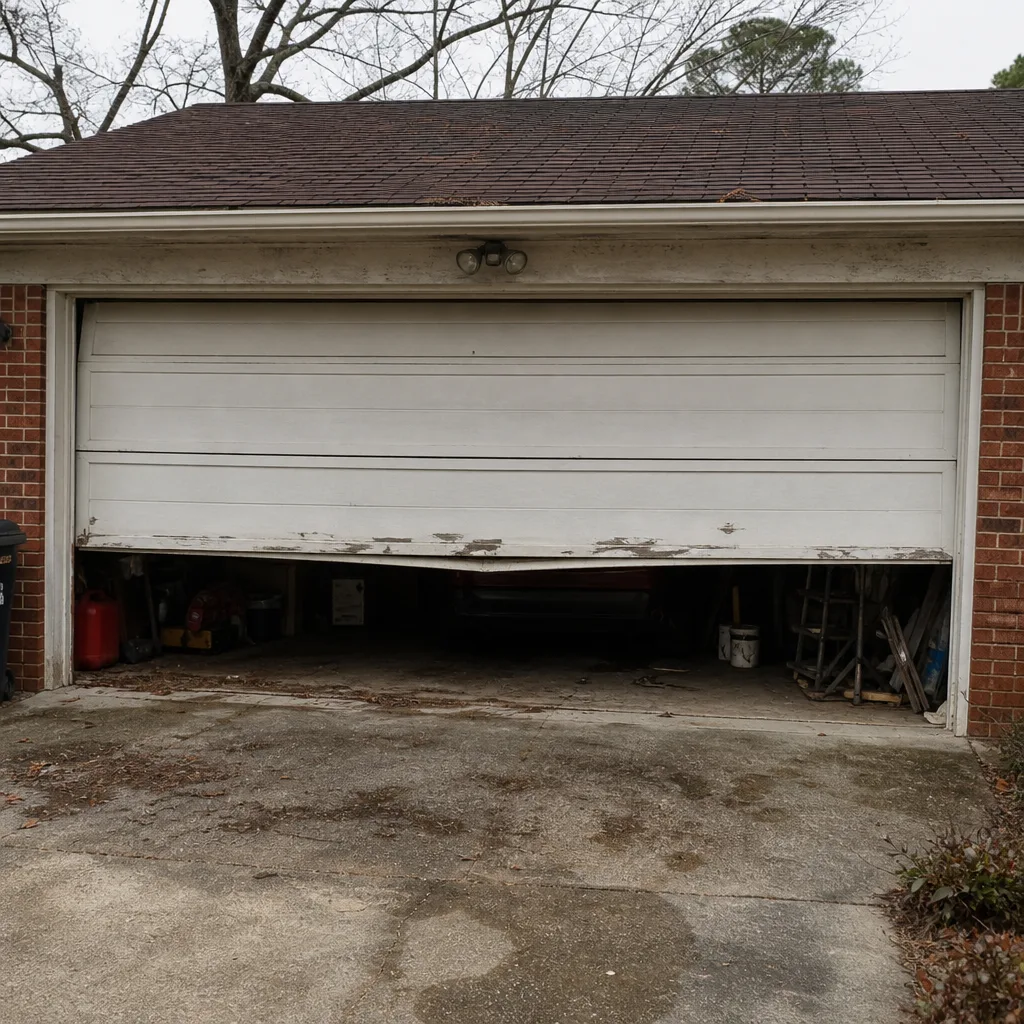 Before
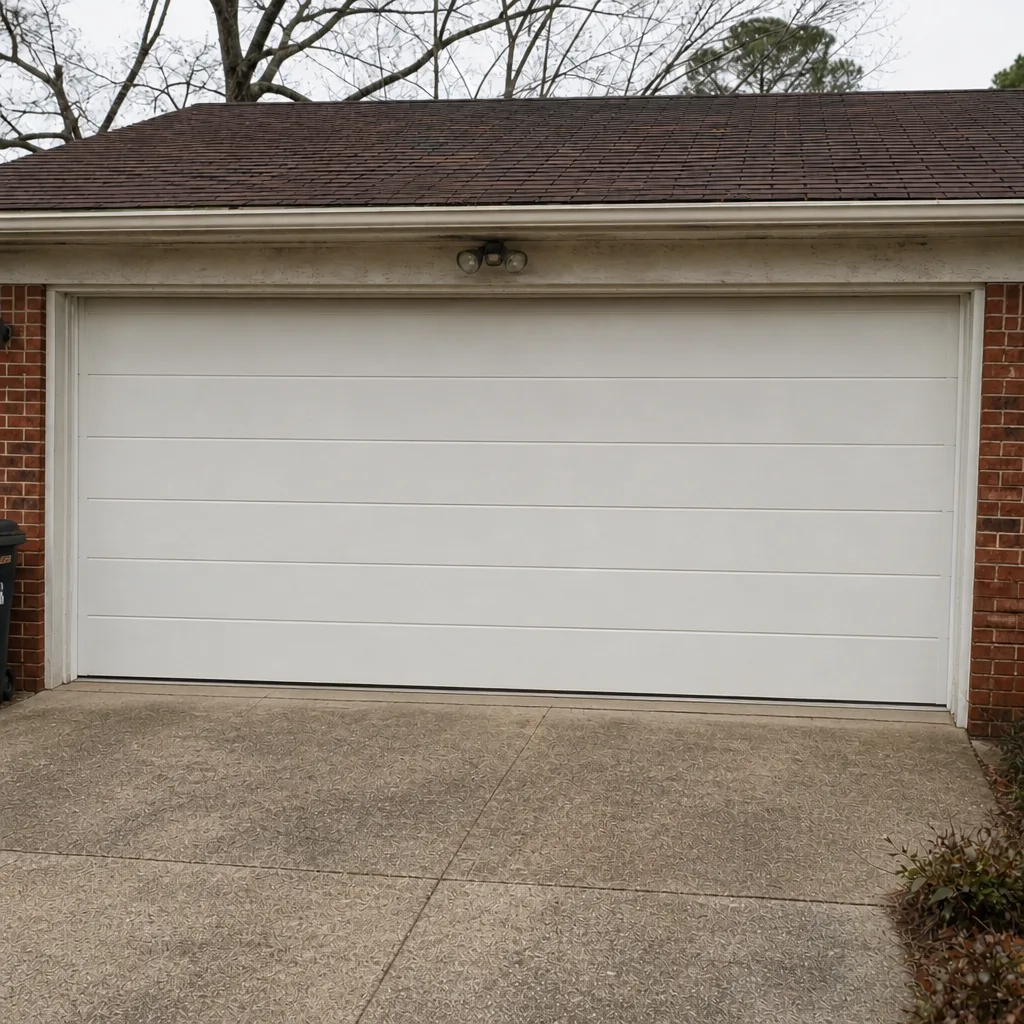 After
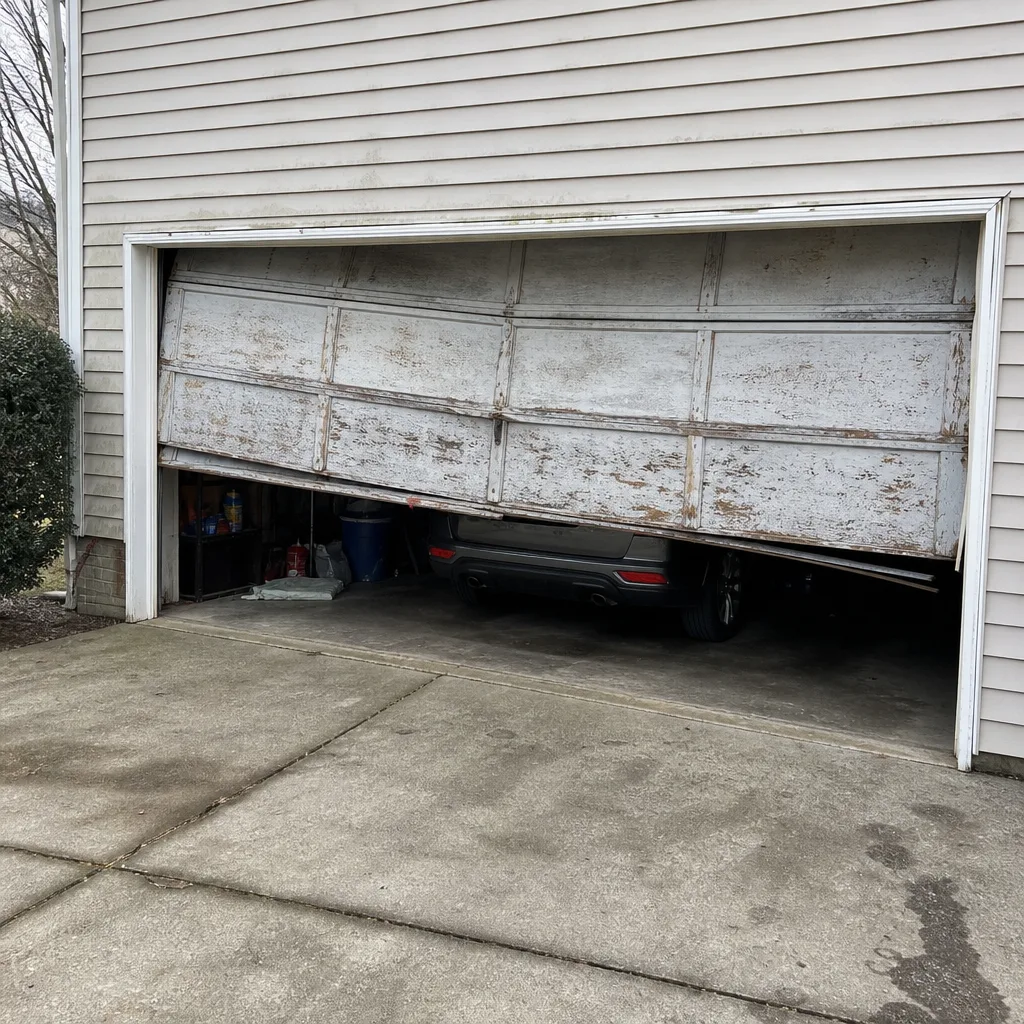 Before
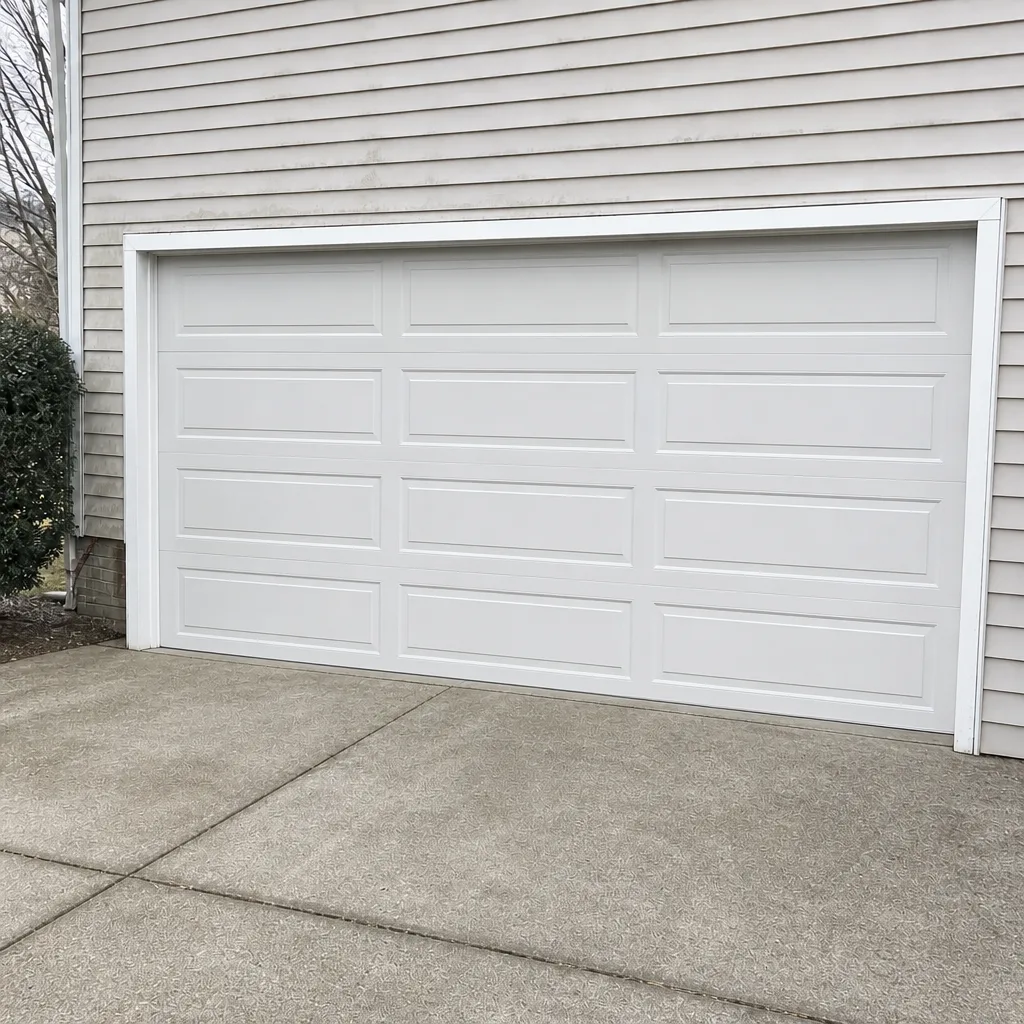 After
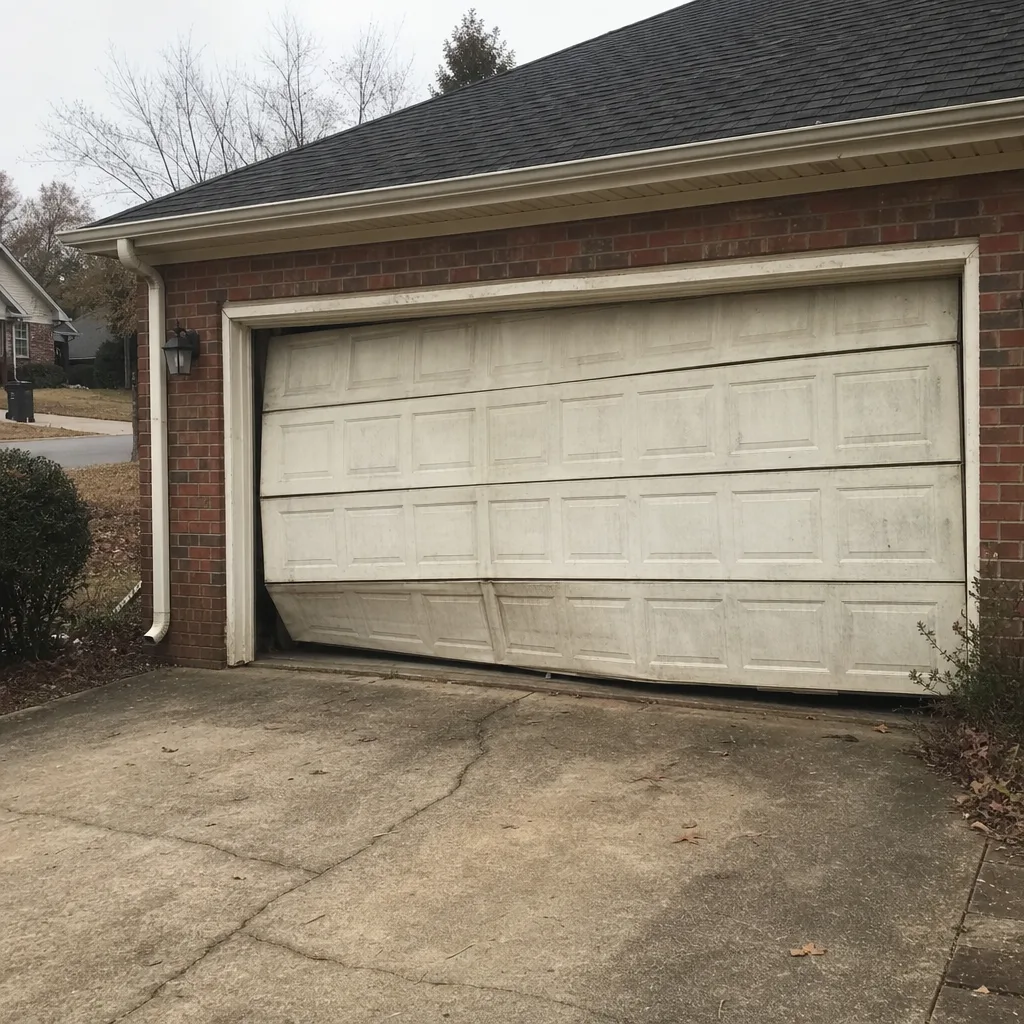 Before
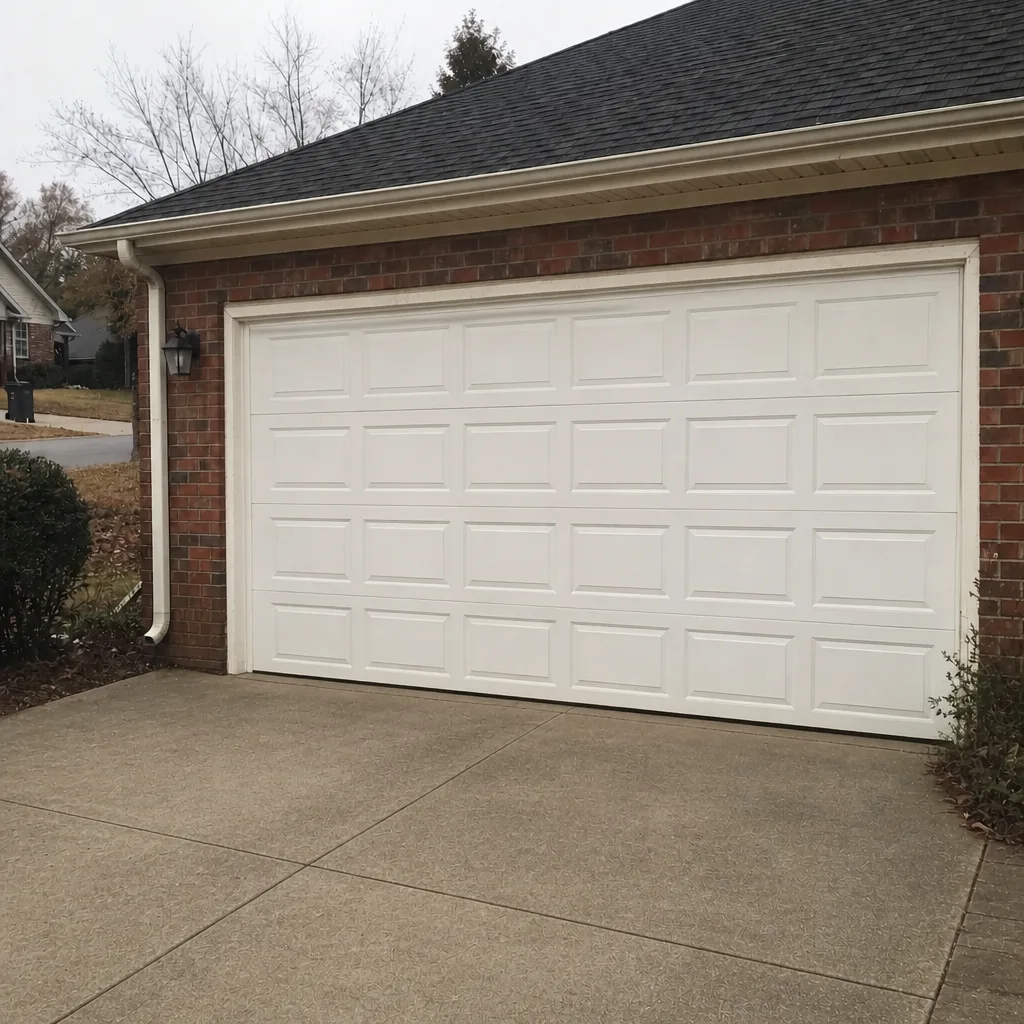 After
When to Call a Professional
Call a professional when the door’s behavior has changed and you can’t explain why, when the balance test shows drift, when you hear a new grinding, squeal, or thump, or when you see a frayed cable or suspect a broken spring. Those are the moments where a trained set of eyes saves money and time. Our technicians have up to 15 years of experience reading exactly these signs, and as a single-trade specialist we work on doors and openers every day across the eight leading brands, from LiftMaster and Chamberlain to Genie, Craftsman, Clopay, Amarr, Wayne Dalton, and Raynor.
Arrow Garage Door Service offers free estimates in High Point – call (833) 842-1974. We answer 24/7, with fast dispatch from 7am to 7pm, Sunday through Friday. Straight diagnosis, straight price, and the written estimate sets the cost before any work starts. If you’d rather start with the broader picture of what we do, see Arrow Garage Door Service and how we handle service throughout High Point.
Frequently Asked Questions
The first sign is usually a behavior change: the door slows down, hesitates, or drifts back down when you release it halfway. Those point to spring tension loss or worn rollers weeks before visible damage. Call (833) 842-1974 for an exact quote – estimates are free.
Garage door repair in High Point typically runs depending on the part – a spring replacement is priced per spring, and a matched pair is usually replaced together, so a pair costs about twice a single-spring repair. Roller and hinge work is on the lower end, and opener repairs depend on the unit. Your written estimate sets the final price, and the price is agreed before any work starts. Call (833) 842-1974 for an exact quote – estimates are free.
For most repair calls, yes – same-day service is available, and we answer 24/7 with fast dispatch from 7am to 7pm, Sunday through Friday. A call outside dispatch hours is booked into the next opening. Call (833) 842-1974 to get on the schedule.
No. The estimate is free, and the written quote sets the price before any work begins. If the diagnosis changes once we’re on site, we talk it through with you before we touch anything. Call (833) 842-1974 for an exact quote – estimates are free.
Yes – the technicians are licensed, insured, and experienced, with up to 15 years of hands-on work. They’re also brand-fluent on the eight major door and opener brands, so your Raynor or LiftMaster isn’t unfamiliar to them. Call (833) 842-1974 for an exact quote – estimates are free.
If the door moves freely by hand with the opener disconnected but the opener runs without moving it, the issue is usually the opener. If the door is hard to lift by hand or drifts when released, it’s usually the door or springs. Call (833) 842-1974 and describe what you’re seeing – estimates are free.
Not always, but a new noise is worth investigating. A squeal usually means friction, a grind means rollers or a track, and a thump often points to a spring or hinge. The noise is your early warning, so treat it that way. Call (833) 842-1974 for an exact quote – estimates are free.
The Bottom Line
Your garage door tells you it’s failing weeks before it actually fails. The trick is reading the behavior, not waiting for the visible damage. Watch for slowing, hesitation, drifting, uneven travel, and new sounds. Run the balance test when something feels off. Match the sound to the likely part. Triage what you find: schedule the wear signs this week, stop the door for springs, cables, and drops, and treat cosmetic issues with a lighter touch but don’t ignore them.
And when you’re in doubt, call a specialist rather than guessing. Arrow Garage Door Service works on doors and openers only, across all eight major brands, with straight diagnosis and a written price before any work starts. Call (833) 842-1974 for a free estimate. We answer 24/7, with fast dispatch from 7am to 7pm, Sunday through Friday. Back in operation today.
Written by the team at Arrow Garage Door Service.